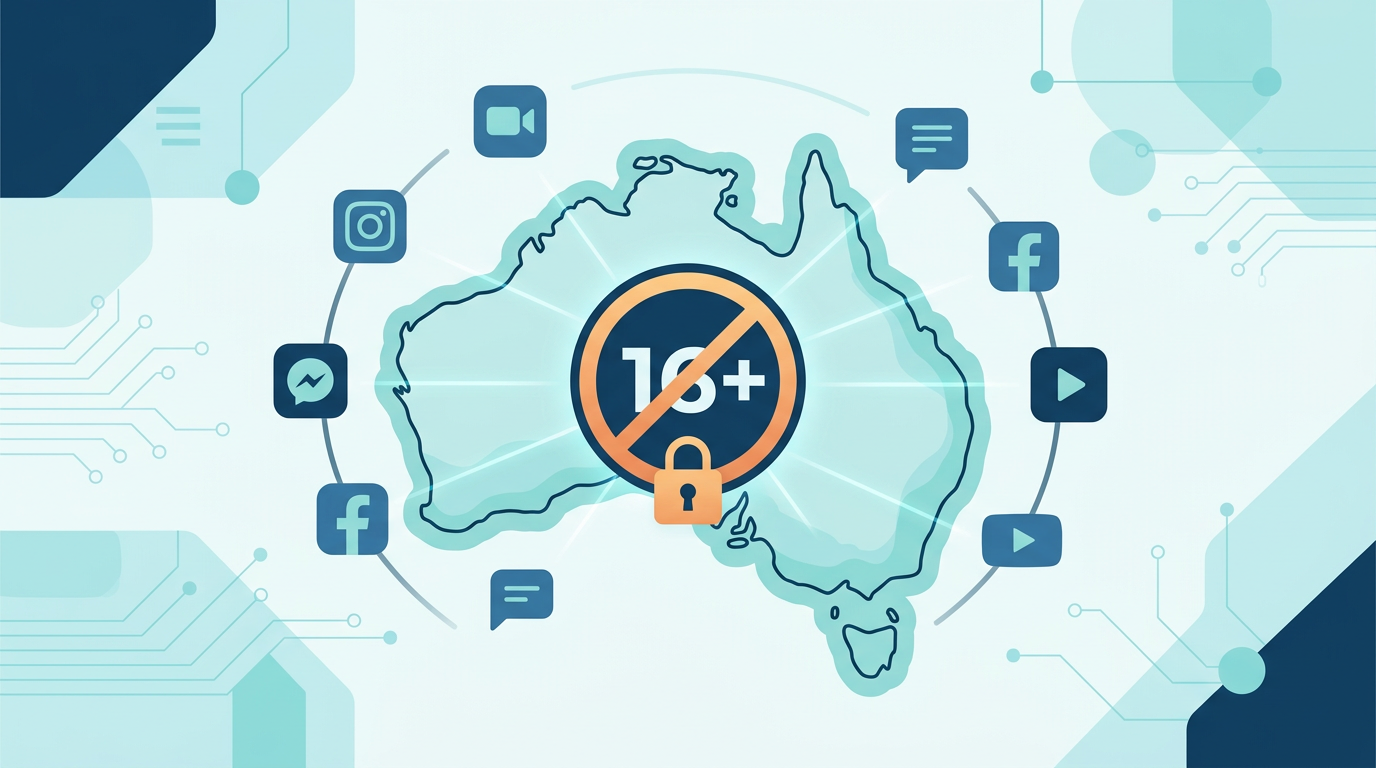

In late 2024, Australia became one of the first countries in the world to pass legislation banning children under 16 from using social media platforms. The Online Safety Amendment (Social Media Minimum Age) Act generated headlines globally and reignited debates about youth digital safety in every country with internet access. For parents, the law raises a critical question: what does it actually mean, and does it change anything for your family?
What the Australian Law Actually Does
The Basics
The legislation prohibits social media platforms from allowing users under the age of 16 to hold accounts. The responsibility for enforcement falls on the platforms, not on parents or children. Companies that fail to take reasonable steps to prevent underage access face significant financial penalties.
Key Details
- The burden is on platforms. Social media companies must implement age verification systems to prevent children under 16 from creating accounts. Parents are not expected to police compliance.
- There is no parental consent exemption. Unlike many existing age-gate systems, the Australian law does not allow parents to approve underage access. The ban is absolute.
- Existing underage accounts must be addressed. Platforms are expected to identify and remove accounts belonging to users under the minimum age.
- Messaging apps are largely excluded. Services whose primary function is one-to-one or group messaging (like iMessage or WhatsApp) are not classified as social media platforms under the law.
- Implementation is phased. Platforms have been given a transition period to develop and deploy compliant age verification technology.
Platforms Affected
The law targets platforms whose core function is public content sharing and social networking. This includes services like Instagram, TikTok, Snapchat, Facebook, and X (formerly Twitter). YouTube's status depends on how the government classifies its social features versus its role as a video platform.
Why Australia Took This Step
The Australian government cited mounting evidence that social media is causing measurable harm to children's mental health. Key factors included:
- Rising rates of anxiety, depression, and self-harm among Australian youth, with social media identified as a contributing factor in government-commissioned research.
- Algorithmic amplification of harmful content, including content related to eating disorders, self-harm, and suicide, being actively recommended to young users.
- Cyberbullying, which affects roughly one in five Australian children and is overwhelmingly facilitated through social media platforms.
- Sextortion and online predation, with Australian law enforcement reporting sharp increases in cases targeting minors through social platforms.
The government's position is straightforward: if platforms cannot be made safe for children, children should not be on them.
Could This Happen in the United States?
The Current Landscape
The United States has seen a surge of legislative activity around youth online safety at both the federal and state level. Several states have already passed or proposed laws requiring parental consent for minors to use social media, age verification requirements, or restrictions on algorithmic content delivery to young users.
Key federal efforts include:
- The Kids Online Safety Act (KOSA), which would require platforms to provide minors with safeguards against harmful content and give parents more control over their children's accounts.
- The Children and Teens' Online Privacy Protection Act, which would strengthen data privacy protections for users under 17.
- Various state-level laws in Utah, Texas, Florida, California, and others that impose age verification or parental consent requirements.
The Challenges
An outright ban similar to Australia's faces significant hurdles in the U.S.:
- First Amendment concerns. Courts have historically been skeptical of laws that restrict minors' access to speech-related platforms. Several state-level social media laws have already been challenged or blocked on constitutional grounds.
- Enforcement complexity. Age verification technology remains imperfect, raising questions about both effectiveness and privacy. Any system capable of reliably verifying age would likely require collecting sensitive personal data.
- Industry opposition. Social media companies have substantial lobbying resources and have consistently resisted mandatory age restrictions.
While an Australia-style blanket ban is unlikely in the near term in the U.S., incremental regulation requiring platforms to implement stronger safety features and age-appropriate design is gaining bipartisan traction.
What Parents Can Do Right Now
Regardless of whether your government passes new legislation, you do not need to wait for a law to protect your family. Here are concrete steps you can take today.
Know the Current Age Requirements
Most major social media platforms already require users to be at least 13 years old under the Children's Online Privacy Protection Act (COPPA). If your child is under 13 and has social media accounts, those accounts violate the platform's terms of service and can be reported for removal.
Have Honest Conversations About Why Limits Exist
Children are more likely to respect boundaries when they understand the reasoning behind them. Talk to your kids about:
- How social media algorithms work and why they can be harmful.
- The difference between connecting with friends online and the passive consumption of content designed to be addictive.
- Real examples of online harms (age-appropriate) so that the rules feel grounded in reality rather than arbitrary.
Implement Parental Controls and Monitoring
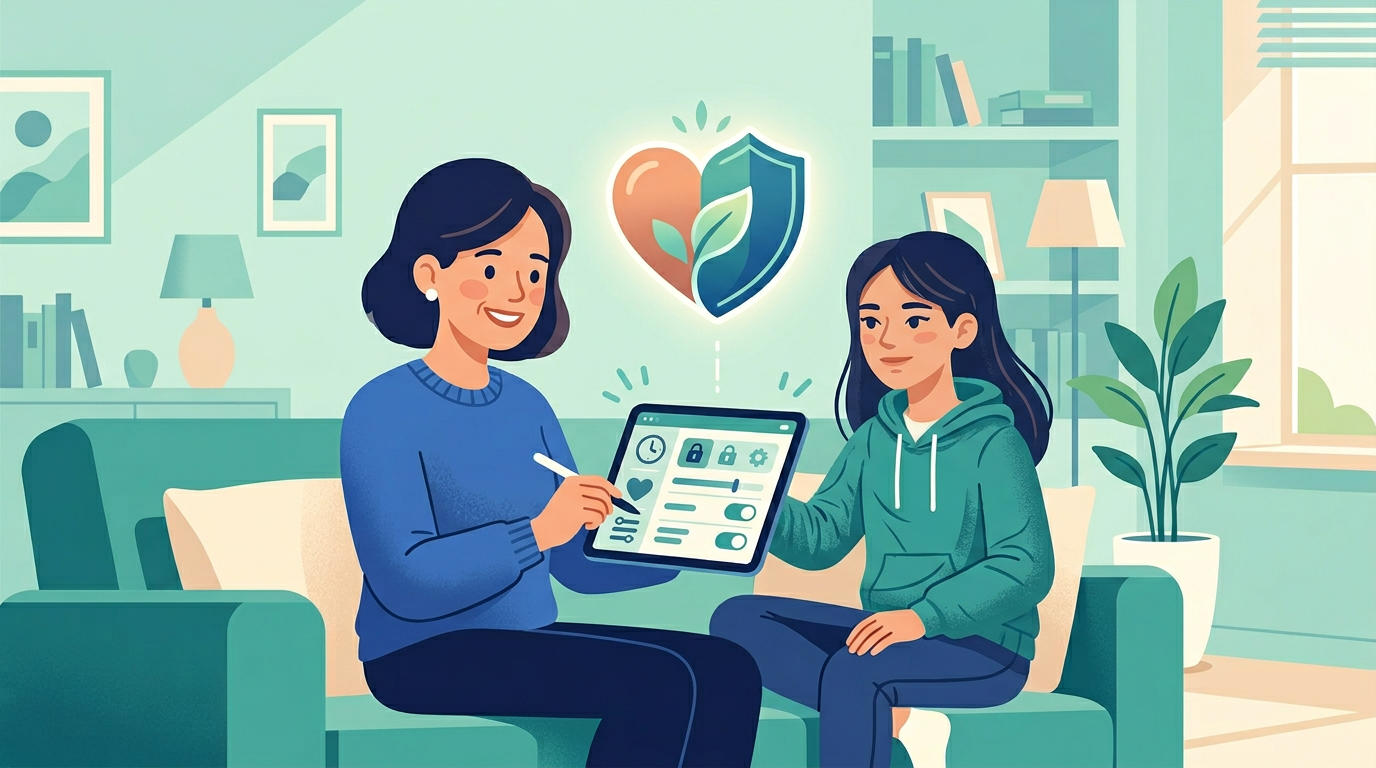
Use available tools to manage your child's digital access:
- Screen time limits that enforce daily boundaries on social media use.
- Content monitoring that alerts you to potentially harmful interactions or content exposure.
- App restrictions that prevent installation of platforms you have decided are not appropriate for your child's age.
- Privacy settings reviews conducted regularly with your child so they understand what is public and what is private.
Delay Social Media Access
Just because a platform allows 13-year-olds does not mean your child needs an account at 13. Many child development experts recommend delaying social media access until at least 14 or 15, when children are better equipped to handle the social and emotional dynamics of these platforms. If your child's peers are on social media and they feel left out, validate their feelings while holding firm on your family's timeline.
Create a Family Media Agreement
Sit down together and create a written agreement that outlines:
- Which platforms are allowed and at what age.
- Daily and weekly screen time limits.
- Rules about sharing personal information and images.
- Expectations around privacy and monitoring.
- Consequences for violating the agreement.
Having the rules in writing removes ambiguity and gives both parents and children a reference point during disagreements.
Model Healthy Digital Habits
Your children are watching. If you want them to have a healthy relationship with technology, demonstrate one yourself. Put your phone away during meals, limit your own social media use, and be transparent about your own digital boundaries.
Conclusion
Australia's social media ban for children under 16 represents a bold policy experiment that the rest of the world is watching closely. Whether or not similar legislation arrives in the United States, the underlying concerns that motivated the law -- the mental health impact of social media on young people -- are universal. As a parent, you have the power to set boundaries, implement safeguards, and guide your child's relationship with technology starting today. You do not need to wait for legislation to act. The tools, the knowledge, and the conversations are all within your reach.