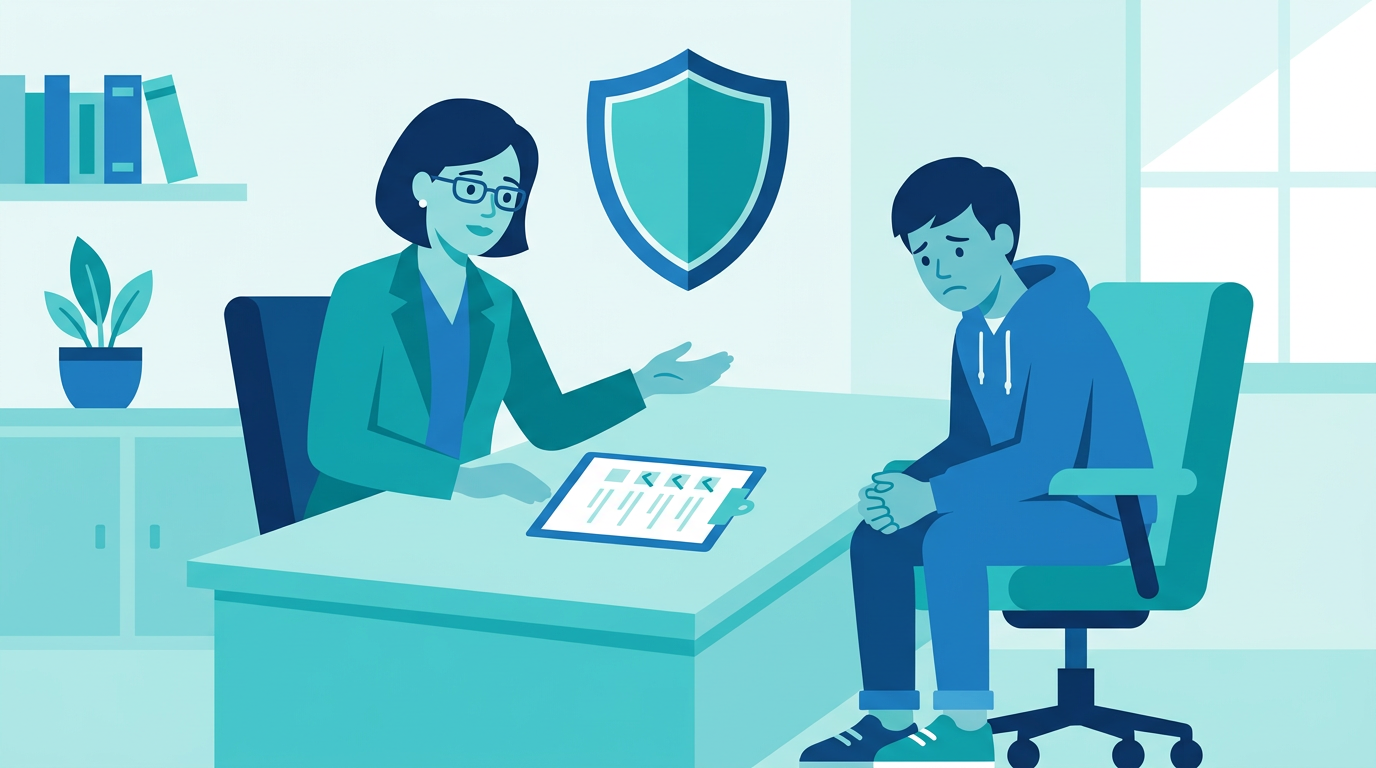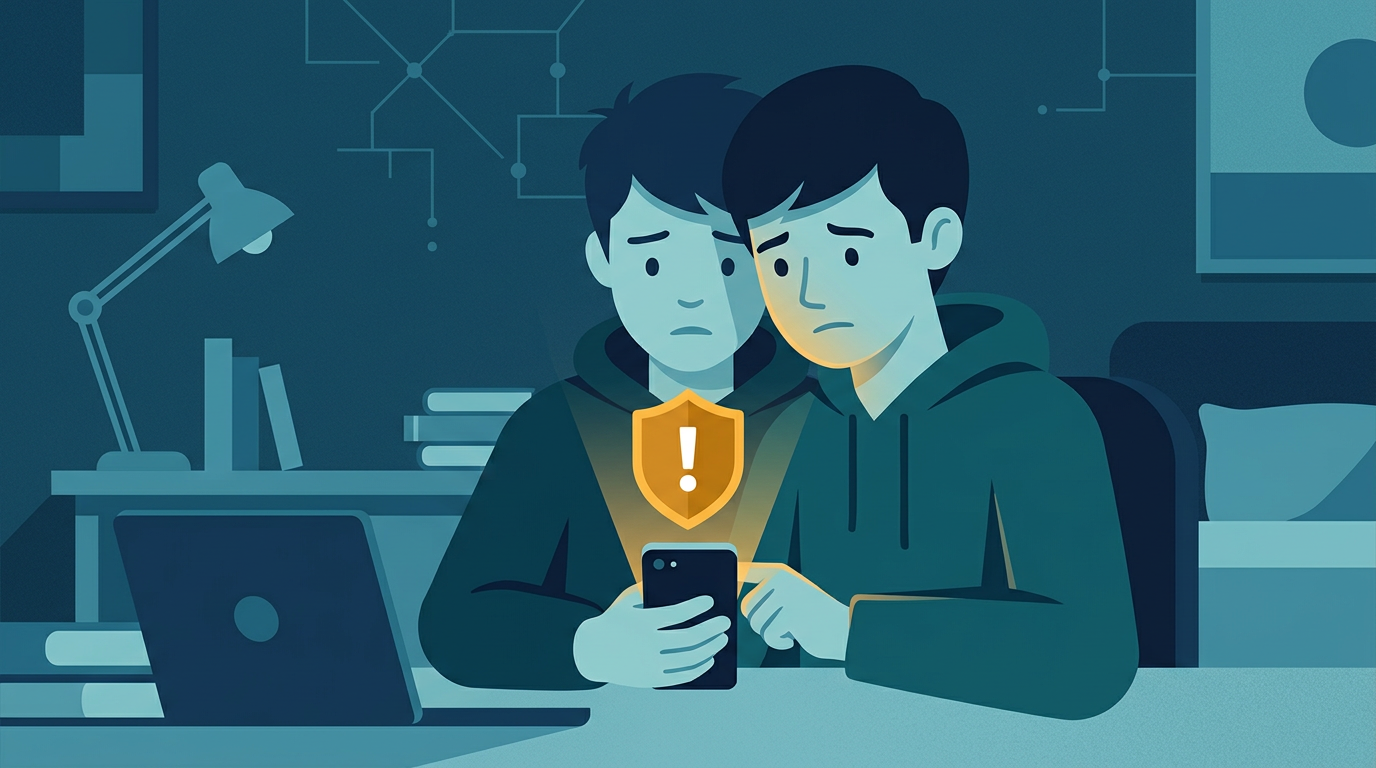

Sextortion -- when someone threatens to share intimate images or information unless a victim complies with demands -- is one of the fastest-growing online threats targeting minors. The FBI has reported a dramatic surge in cases involving children and teens, with perpetrators often posing as peers on platforms like Snapchat, Instagram, and gaming chat services. If you have just discovered that your child is a victim, you are likely feeling a storm of emotions: fear, anger, confusion, helplessness.
Take a breath. Your response in the next few hours and days will have a significant impact on your child's safety and recovery. This guide will walk you through exactly what to do.
Step 1: Stay Calm and Reassure Your Child
This is the most important and most difficult step. Your child is almost certainly terrified, ashamed, and convinced that their life is over. How you react in this moment will determine whether they continue to confide in you or shut down entirely.
- Do not yell, blame, or punish. Even if your child made a mistake by sharing an image, they are the victim of a crime. Perpetrators deliberately manipulate young people, and shame is already doing its damage.
- Tell them explicitly that this is not their fault. Say it more than once. Say it until they hear it.
- Thank them for telling you (or let them know you are glad you found out). Reporting sextortion takes enormous courage, and your child needs to know that coming to you was the right decision.
- Assure them that you are going to handle this together. They need to feel that an adult is in control of the situation.
What to Say
"I'm so glad you told me. This is not your fault. People who do this are criminals, and we are going to get through this together. You are not in trouble with me."
Step 2: Stop All Communication with the Perpetrator
Instruct your child to stop responding to the person immediately. Do not engage, do not negotiate, and do not send money or additional images. Perpetrators often escalate their demands regardless of whether the victim complies, so giving in does not make the situation better -- it makes it worse.
- Do not block the perpetrator yet. Blocking may seem instinctive, but it can cause the offender to lash out by distributing images. More importantly, keeping the account visible preserves evidence.
- Do not delete any messages, images, or account information. Everything is potential evidence.
Step 3: Preserve the Evidence
Before anything is deleted or accounts are deactivated, document everything:
- Take screenshots of all conversations, threats, the perpetrator's profile, and any other relevant content. Make sure screenshots capture usernames, timestamps, and platform details.
- Save the perpetrator's profile information including their username, display name, profile picture, and any links to other accounts.
- Record any phone numbers, email addresses, or payment information the perpetrator has shared (such as requests for payment via Venmo, Cash App, or cryptocurrency).
- Store all evidence in a secure location -- a folder on your computer or a USB drive, not on your child's device where it might be accidentally deleted.
Step 4: Report to Authorities
Sextortion of a minor is a serious federal crime. Report it to multiple agencies to maximize the chance of investigation and prosecution.
File a Report with NCMEC
The National Center for Missing and Exploited Children (NCMEC) operates the CyberTipline, which is the centralized reporting system for online child exploitation in the United States.
- Report online at CyberTipline.org or call 1-800-843-5678.
- Include all evidence you have gathered.
Contact the FBI
The FBI's Internet Crime Complaint Center (IC3) handles sextortion cases involving minors.
- File a report at ic3.gov.
- You can also contact your local FBI field office directly, particularly if the threats are immediate.
File a Local Police Report
Contact your local law enforcement and file a report. While sextortion is often investigated at the federal level, having a local report on file creates an additional layer of documentation and can be important for any future legal proceedings.
Report to the Platform
Report the perpetrator's account on whatever platform the sextortion is occurring. Major platforms have dedicated processes for child exploitation reports:
- Most platforms have a "Report" function directly on the offending profile or message.
- Many platforms, including Meta (Facebook, Instagram), Snapchat, and TikTok, have specialized safety teams that expedite reports involving minors.
- If intimate images have already been shared, platforms can also help remove them.
Step 5: Get the Images Removed
If images have been distributed or you fear they will be, there are tools and organizations that can help:
- Take It Down (operated by NCMEC at TakeItDown.NCMEC.org) allows minors to create a hash of their intimate images so that participating platforms can detect and remove them without anyone else viewing the content.
- StopNCII.org (operated by the Revenge Porn Helpline) offers a similar hash-based removal service for people over 18.
- Contact each platform directly to request removal of any distributed content.
Step 6: Support Your Child Emotionally
The psychological impact of sextortion on a young person can be severe. Victims frequently experience anxiety, depression, shame, social withdrawal, and in serious cases, suicidal thoughts. Your ongoing emotional support is not optional -- it is essential.
- Check in regularly. Not just in the days immediately following discovery, but in the weeks and months ahead. The emotional fallout often intensifies once the initial crisis response subsides.
- Watch for warning signs including changes in mood, sleep, appetite, social behavior, and academic performance.
- Consider professional counseling. A therapist experienced in trauma and adolescent mental health can provide coping strategies and a safe space for your child to process what happened.
- If your child expresses suicidal thoughts, act immediately. Call the 988 Suicide and Crisis Lifeline (call or text 988) or go to your nearest emergency room.
Step 7: Prevent Future Incidents
Once the immediate crisis is managed, take steps to reduce the risk going forward:
Have Ongoing Conversations
- Talk to your child about how sextortion works and the tactics predators use, including fake profiles, flattery, and manufactured urgency.
- Make it clear that they can always come to you if something uncomfortable happens online, without fear of punishment.
- Discuss the permanence of anything shared digitally and the risks of sharing intimate content with anyone, even someone they trust.
Strengthen Digital Safety Practices
- Review and tighten privacy settings on all social media accounts.
- Enable monitoring tools that can alert you to concerning interactions.
- Ensure your child knows how to block and report suspicious accounts.
- Disable location sharing and limit the personal information visible on their profiles.
Talk to Siblings
If you have other children, have age-appropriate conversations with them as well. Sextortion does not target a single demographic -- it affects boys and girls across all ages and backgrounds.
You Are Not Alone
Sextortion is far more common than most families realize, and there is no shame in seeking help. Organizations like NCMEC, the FBI, and platforms like CyberSafely.ai exist specifically to support families through these situations. The most important thing you can do right now is be present for your child, act decisively to involve the right authorities, and remind your child -- as many times as they need to hear it -- that this was not their fault and that it will get better.