The Hidden Majority in Every Cyberbullying Incident
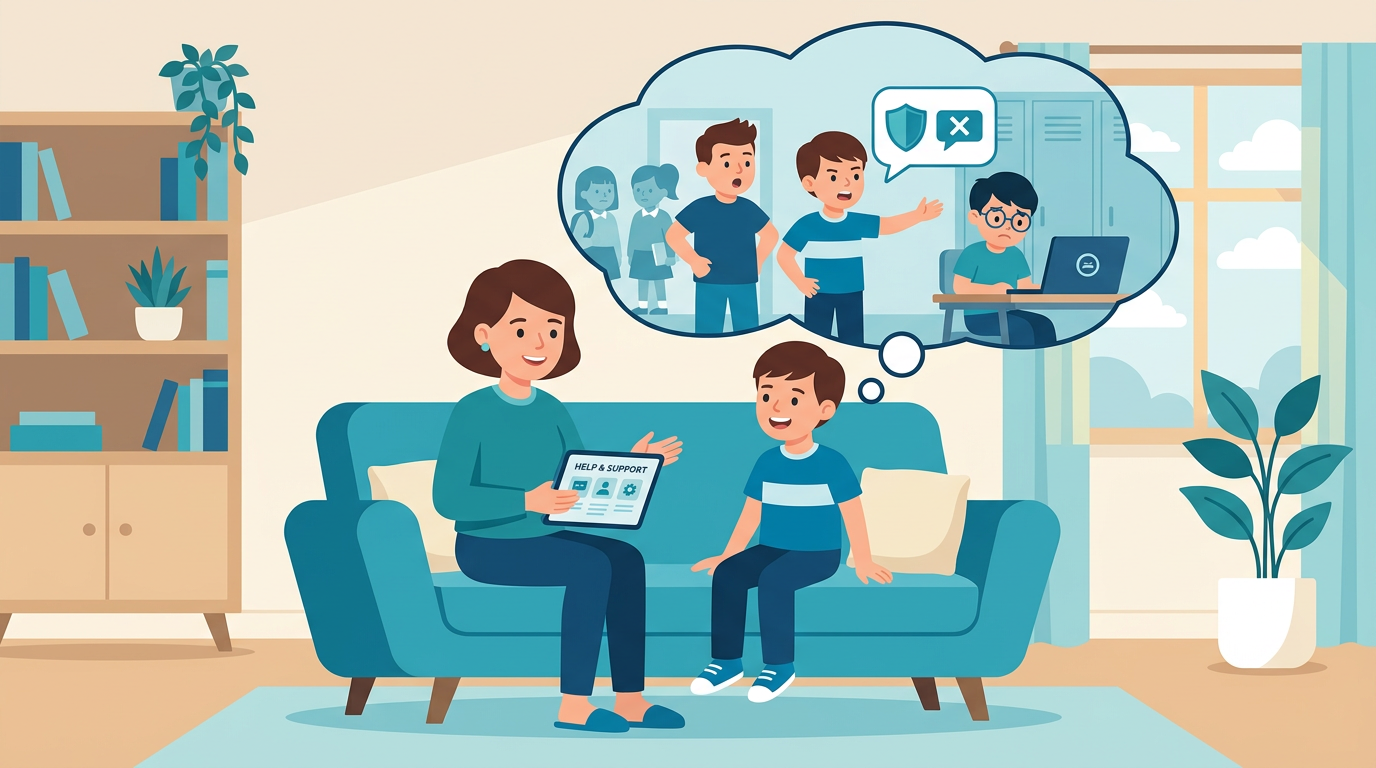
When cyberbullying occurs, the spotlight typically falls on two parties: the person doing the bullying and the person being targeted. But research consistently shows that a third group -- bystanders -- holds the most power to change the trajectory of an incident. Studies estimate that peers are present or aware of bullying in roughly 80 percent of cases, yet intervene only about 20 percent of the time.
In the digital world, bystander dynamics are amplified. A single screenshot can reach an entire grade in minutes. A viral post can attract hundreds of spectators. Every like, share, laugh reaction, or silence sends a signal about what the community considers acceptable. For schools and organizations, shifting bystander behavior from passive observation to active intervention -- transforming bystanders into upstanders -- is one of the most effective strategies for reducing cyberbullying and its devastating effects.
Understanding Bystander Psychology
Why Students Stay Silent
The decision to intervene in a bullying situation is not simple, especially for young people navigating complex social hierarchies. Several well-documented psychological factors contribute to bystander inaction:
- Diffusion of responsibility: When many people witness an event, each individual feels less personal obligation to act. "Someone else will handle it" becomes the default assumption.
- Fear of social retaliation: Students worry that intervening will make them the next target, damage their social standing, or put them at odds with popular peers.
- Uncertainty about severity: Online interactions are often ambiguous. Students may not be sure whether what they are seeing constitutes bullying, a joke, or normal conflict.
- Lack of skills: Even students who want to help may not know what to do. Without clear guidance, the desire to act remains unfulfilled.
- Normalcy bias: In environments where harsh online language is common, students may become desensitized and fail to recognize harmful behavior as bullying.
The Digital Amplification Effect
Online bystander dynamics differ from in-person situations in important ways:
- Audience scale: A hallway incident might have five witnesses. An online incident can have hundreds or thousands.
- Permanence: Digital content persists. Every comment, like, or share becomes a permanent record of complicity or support.
- Anonymity: The perception of anonymity online lowers the social cost of joining in on bullying -- and raises the perceived cost of opposing it.
- Asynchronous engagement: Bystanders encounter content at different times, meaning the window for intervention is longer but also more diffuse.
The Upstander Effect
What Happens When Bystanders Intervene
Research on bullying intervention reveals a striking pattern: when even one bystander speaks up, the bullying is significantly more likely to stop. A study published in the journal Child Development found that peer intervention resolved bullying episodes within 10 seconds more than half the time.
Online, upstander behavior creates similar effects:
- A single comment defending the target can shift the tone of an entire thread
- Reporting a post signals to the platform and the community that the behavior is unacceptable
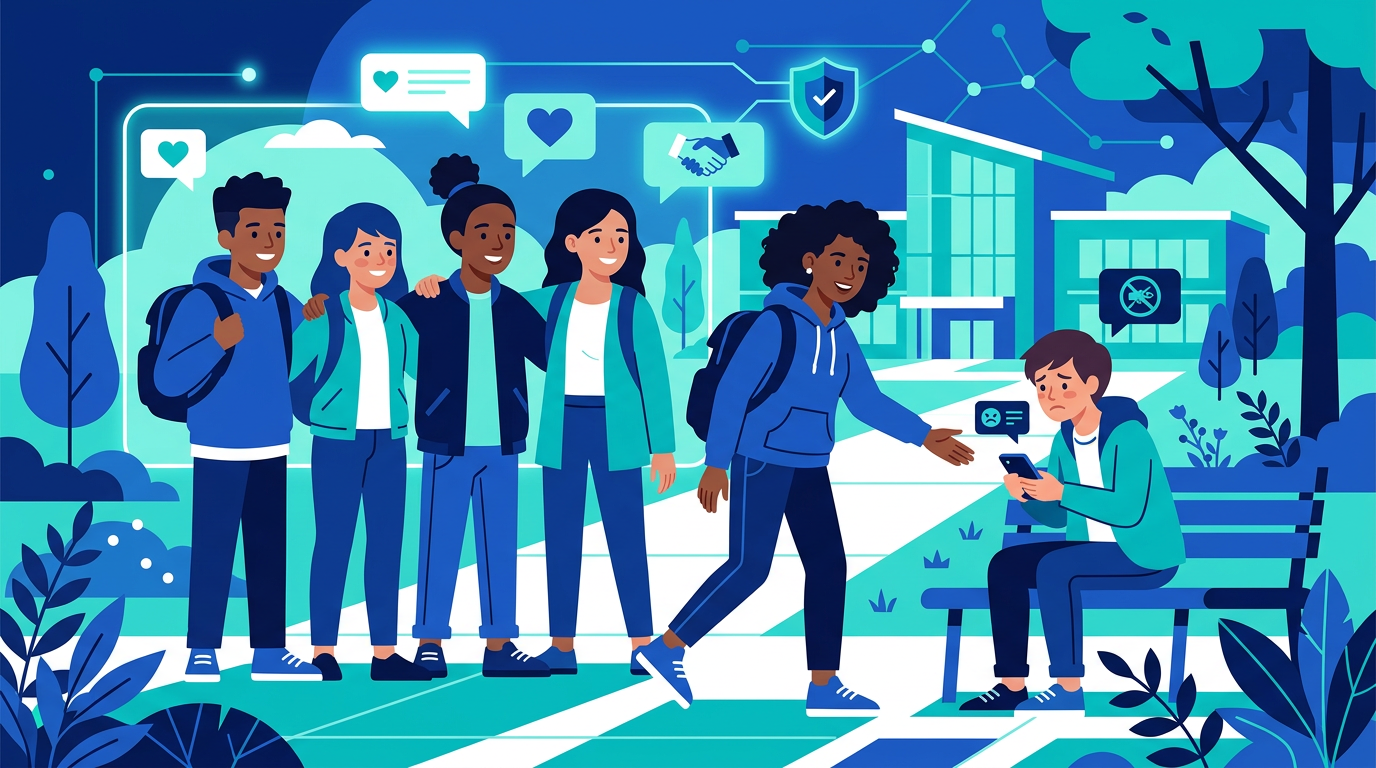
- Privately messaging the target to offer support reduces isolation and its associated mental health risks
- Refusing to share or engage with harmful content limits its reach and impact
The key insight for educators is that upstander behavior does not require heroic confrontation. Small, low-risk actions -- a private message, a report, a refusal to participate -- can collectively transform outcomes.
Building an Upstander Culture in Schools
1. Define and Teach Upstander Behavior
Students need a clear vocabulary and framework for understanding their role. Effective programs distinguish between:
- Bystanders: Those who witness bullying and take no action
- Reinforcers: Those who encourage or amplify bullying through laughter, likes, shares, or joining in
- Upstanders: Those who take action to support the target or stop the bullying
Teaching these roles helps students recognize the active choice they make in every bullying situation -- including the choice to do nothing.
2. Provide Concrete Action Steps
Abstract encouragement to "stand up" is insufficient. Students need specific, rehearsed strategies they can deploy in real situations:
- Direct intervention: Posting a supportive comment, telling the person bullying to stop, or changing the subject in a group chat
- Distraction: Redirecting attention away from the bullying (starting a new conversation, sharing unrelated content)
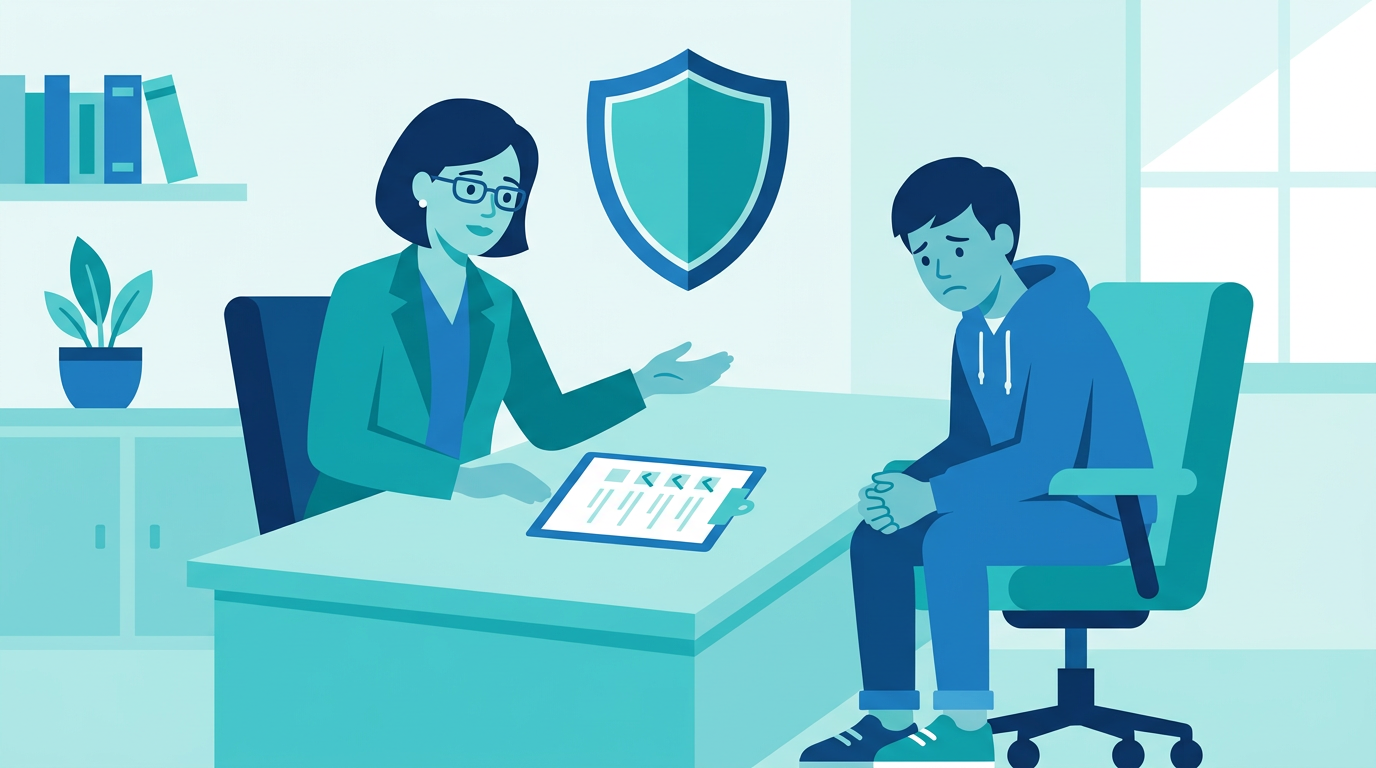
- Delegation: Reporting the incident to a trusted adult, teacher, counselor, or platform moderator
- Delayed support: Reaching out privately to the target after the incident to express support and check in
- Documentation: Screenshotting evidence to share with adults who can help
3. Normalize Reporting
One of the biggest barriers to upstander behavior is the perception that reporting is "snitching." Schools must actively dismantle this stigma by:
- Framing reporting as an act of community responsibility, not betrayal
- Establishing anonymous reporting mechanisms (online tip lines, anonymous forms, apps)
- Publicly recognizing and celebrating upstander behavior without identifying specific incidents
- Ensuring that reports are taken seriously and lead to visible, fair responses
4. Integrate Upstander Training into the Curriculum
Upstander education should not be a one-time assembly. It should be woven into the school experience through:
- Advisory and homeroom discussions: Regular, brief conversations about real-world scenarios (anonymized) that give students practice in identifying and responding to cyberbullying
- Role-playing and simulation: Structured exercises where students practice upstander responses in safe, guided settings
- Literature and media analysis: Using books, films, and current events to explore bystander dynamics and moral courage
- Peer leadership programs: Training selected students as upstander ambassadors who model and promote positive behavior
5. Leverage Social Norms
Young people are heavily influenced by their perception of peer norms. Schools can harness this by:
- Surveying students about their attitudes toward bullying and sharing results that highlight the majority's disapproval (most students oppose bullying, but many believe they are in the minority)
- Visibility campaigns: Posters, digital signage, and social media campaigns that showcase upstander values as the school norm
- Student-created content: Empowering students to develop their own anti-bullying messaging, which carries more credibility with peers than adult-generated materials
Addressing the Risks of Upstanding
Protecting Upstanders from Retaliation
Schools must acknowledge that intervention carries real social risk for students and take steps to mitigate it:
- Establish clear anti-retaliation policies and enforce them consistently
- Offer private channels for upstander behavior so students do not have to intervene publicly
- Provide adult support for students who experience backlash after intervening
- Celebrate upstander behavior at the community level to shift social incentives
When Adults Must Step In
Not every situation is appropriate for peer intervention. Students should be taught to recognize when an incident is beyond their ability to address and requires immediate adult involvement:
- Threats of violence or self-harm
- Distribution of intimate images
- Situations involving significant power imbalances or repeated targeting
- Any scenario where the student feels unsafe intervening
Clear escalation pathways ensure that students know exactly who to contact and how.
Measuring Impact
Schools implementing upstander programs should track outcomes to assess effectiveness and guide improvements:
- Climate surveys: Regular assessments of students' perceptions of safety, belonging, and willingness to report
- Incident data: Tracking the volume, nature, and resolution of reported cyberbullying incidents
- Reporting rates: An increase in reports may indicate greater trust in the system, not necessarily more bullying
- Qualitative feedback: Student and teacher reflections on the school's social environment
Conclusion
Bystanders are not passive observers -- they are active participants whose choices shape the outcome of every cyberbullying incident. By teaching students to recognize their power, providing them with concrete tools for intervention, normalizing reporting, and building a school culture that celebrates moral courage, educators can transform the bystander majority into a force for safety and inclusion. An upstander culture does not eliminate bullying, but it dramatically reduces its frequency, severity, and impact -- and it builds a school community where every student knows they are not alone.