Understanding Sextortion in the School Context
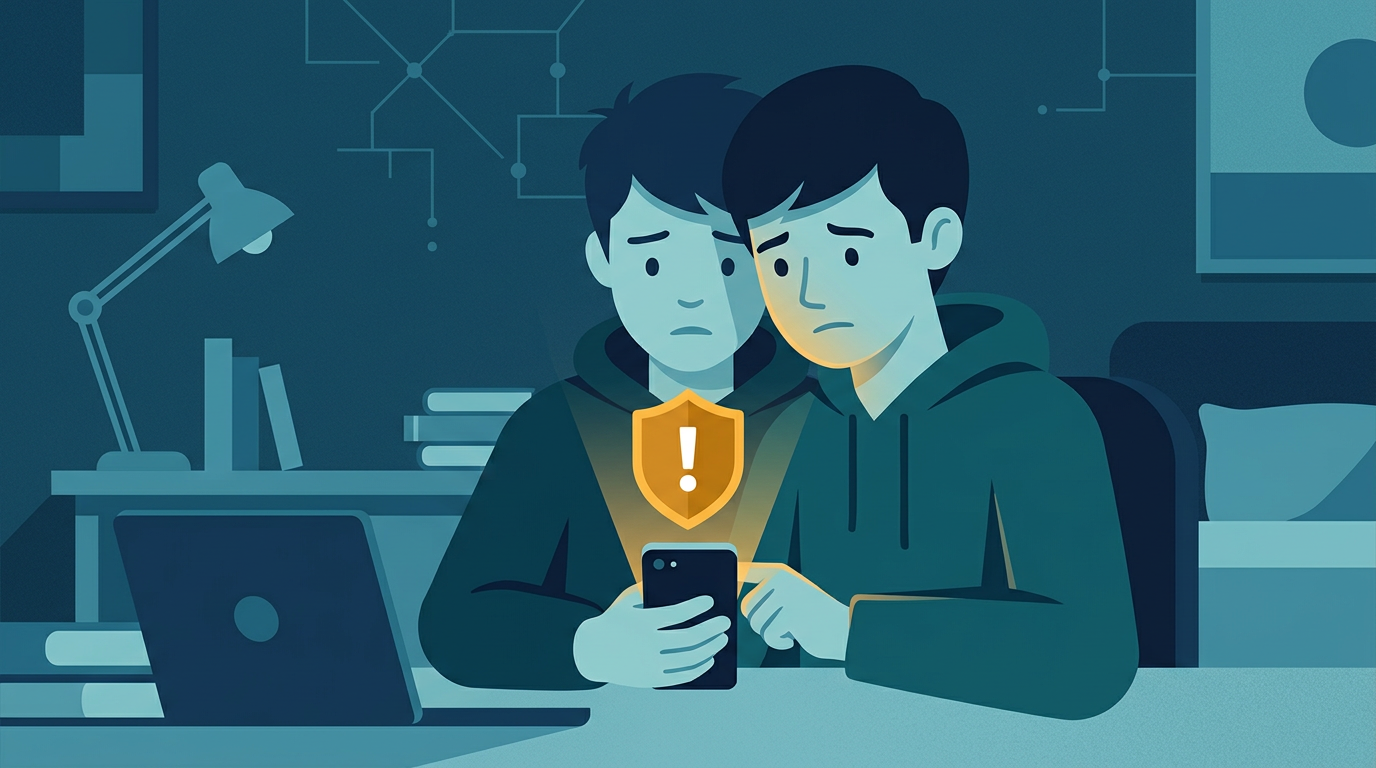
Sextortion -- the act of threatening to share intimate images or information unless a victim complies with demands -- is one of the fastest-growing online threats targeting minors. The FBI and the National Center for Missing & Exploited Children (NCMEC) have reported dramatic increases in sextortion cases involving children and teens, with victims as young as 10 years old.
For school counselors and administrators, sextortion cases present unique challenges. Students may disclose during a counseling session, a trusted teacher may notice warning signs, or a peer may report concern about a classmate. Regardless of how the information surfaces, schools must be prepared to respond swiftly, compassionately, and in coordination with families and law enforcement.
This guide provides a structured framework for handling sextortion disclosures in a school setting.
Recognizing the Warning Signs
Students experiencing sextortion rarely self-identify as victims. They may feel intense shame, fear, and self-blame. Educators and counselors should be alert to behavioral changes that may indicate a student is being exploited:
- Sudden withdrawal from friends, activities, or classroom participation
- Visible distress when using or being asked about their phone or devices
- Unexplained anxiety, depression, or panic attacks
- Declining academic performance with no other apparent cause
- References to feeling trapped, hopeless, or wanting to disappear
- Secretive behavior around devices, including deleting messages or apps
- Requests for money or gift cards without clear explanation
Any combination of these signs warrants a careful, private conversation with the student.
Immediate Response: The First 24 Hours
Step 1: Create a Safe Space for Disclosure
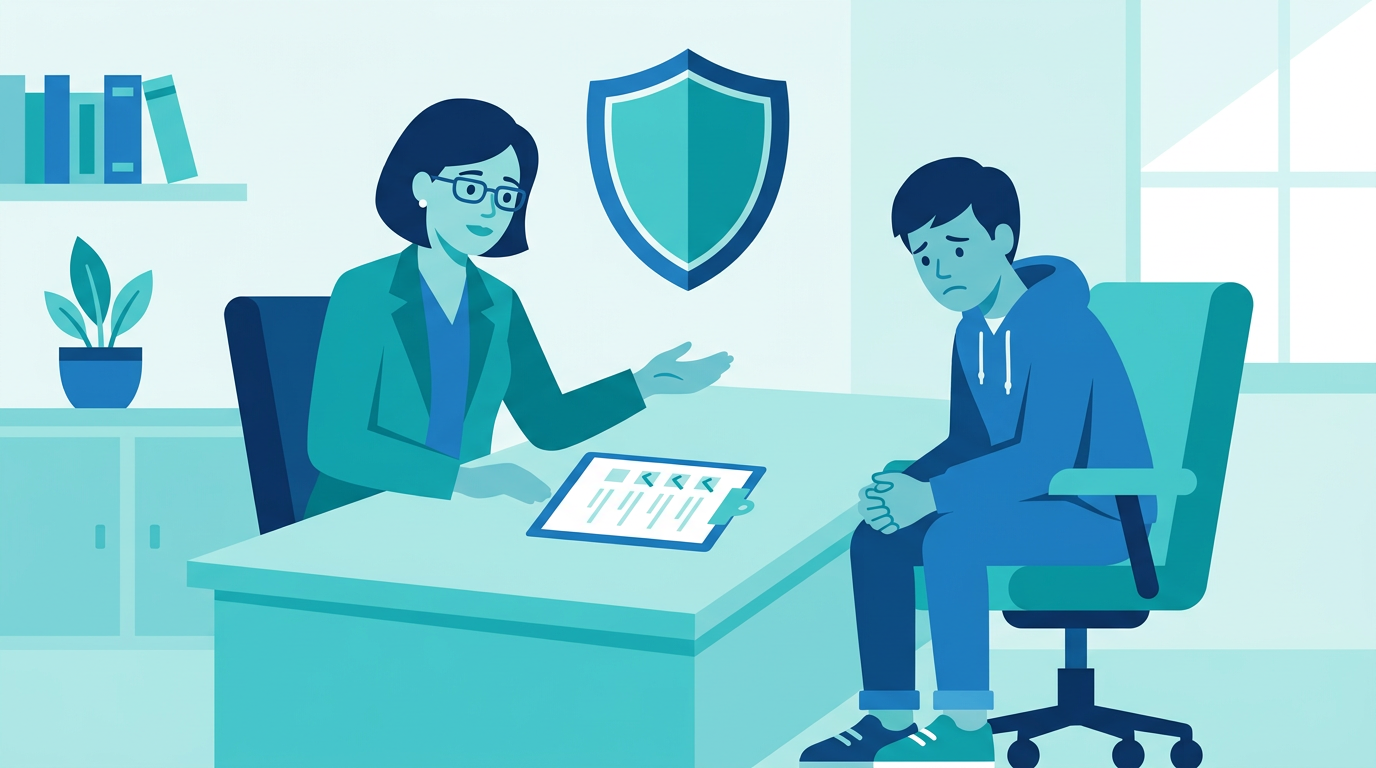
When a student discloses sextortion -- or when you suspect it -- the immediate priority is emotional safety.
- Listen without judgment. Avoid reactions that could be interpreted as shock, blame, or disappointment. Statements like "You should have known better" or "Why did you send that?" are harmful and will shut down communication.
- Affirm the student. Use language such as: "This is not your fault," "You were brave to tell me," and "We are going to help you."
- Do not ask the student to show you the images. Viewing, possessing, or distributing intimate images of a minor -- even in an investigative context -- can constitute a legal violation. Leave evidence handling to law enforcement.
Step 2: Preserve Evidence
While the student should not be asked to display images, it is critical that evidence is not destroyed.
- Advise the student (and their parent/guardian, once notified) not to delete any messages, images, or account information
- Do not attempt to contact the perpetrator
- Document the date, time, and substance of the student's disclosure in writing, following your school's incident reporting protocols
Step 3: Notify School Administration
Follow your district's mandatory reporting and escalation procedures. In most jurisdictions, sextortion involving a minor triggers mandatory reporting obligations. Ensure that:
- The principal or designated administrator is informed immediately
- Your school's legal counsel or district office is consulted on reporting requirements
- Documentation is handled according to district policy and applicable privacy laws (FERPA)
Step 4: Report to Law Enforcement
Sextortion is a crime. Schools should not attempt to investigate or resolve the situation internally. Contact:
- Local law enforcement: File a report with your local police department. Many departments have specialized units for internet crimes against children.
- FBI (IC3): The FBI's Internet Crime Complaint Center (ic3.gov) accepts reports of online exploitation.
- NCMEC CyberTipline: Report to the National Center for Missing & Exploited Children at CyberTipline.org or 1-800-843-5678.
Provide law enforcement with whatever information the student has shared, and coordinate on next steps for evidence preservation.
Step 5: Contact Parents or Guardians
Parental notification is essential but must be handled with care. Many students fear their parents' reaction more than the sextortion itself.
- Prepare the student. Let them know you will be contacting their parent or guardian, and explain why. Offer to be present during the conversation if the student wishes.
- Brief the parent privately first. Before bringing the student into the conversation, help the parent understand the situation, emphasize that the child is a victim, and coach them on the importance of a supportive, non-punitive response.
- Provide resources. Give parents information about law enforcement contacts, counseling services, and organizations like NCMEC and the Thorn helpline.
Supporting the Student Emotionally
Ongoing Counseling
Sextortion can cause severe psychological trauma, including PTSD, depression, anxiety, and suicidal ideation. The student should be connected with:
- School-based counseling: Regular check-ins with the school counselor in the days and weeks following disclosure
- External mental health referrals: For cases involving significant trauma, refer the student and family to a licensed therapist experienced in adolescent trauma and sexual exploitation
- Crisis resources: Ensure the student and family have access to crisis hotlines, including the 988 Suicide and Crisis Lifeline and the Crisis Text Line (text HOME to 741741)
Safety Planning
Work with the student and family to develop a safety plan that addresses:
- Digital safety: Changing passwords, adjusting privacy settings, blocking the perpetrator, and temporarily deactivating compromised accounts
- Emotional safety: Identifying trusted adults and peers the student can turn to, establishing check-in routines, and developing coping strategies
- Ongoing monitoring: With the student's knowledge and consent, maintaining regular contact to assess well-being and watch for escalation
Protecting the Student at School
If there is any risk that images have been shared among peers, the school must act to protect the student from further harm:
- Address any bullying, harassment, or gossip immediately and decisively
- Consider schedule adjustments or other accommodations if the student feels unsafe
- Remind staff that the student is a victim and that confidentiality must be maintained
Building a Proactive Prevention Framework
Educate Before Incidents Occur
Schools should not wait for a sextortion case to begin educating students. Prevention programs should include:
- Age-appropriate lessons on online safety, the permanence of digital content, and the tactics predators use to manipulate young people
- Clear definitions of sextortion and coercion so students can recognize when it is happening
- Normalized reporting pathways so students know exactly who to tell and what will happen when they do
Train All Staff
Every adult in the school building -- not just counselors -- should receive training on:
- Recognizing signs of online exploitation
- How to respond to a disclosure (and how not to)
- Mandatory reporting obligations and escalation procedures
- The difference between sextortion and consensual sexting, and the legal implications of each
Foster a Culture of Trust
Students will only disclose exploitation if they believe they will be met with support rather than punishment. Schools must cultivate an environment where:
- Asking for help is seen as a strength, not a weakness
- Adults respond to disclosures with empathy and action
- Policies prioritize the well-being of victims over disciplinary reflexes
Key Resources for Schools
- NCMEC CyberTipline: CyberTipline.org | 1-800-843-5678
- FBI IC3: ic3.gov
- 988 Suicide and Crisis Lifeline: Call or text 988
- Crisis Text Line: Text HOME to 741741
- Thorn: thorn.org (technology tools to defend children from sexual abuse)
- StopBullying.gov: Federal resources on bullying and cyberbullying prevention
Conclusion
Sextortion is a serious and growing threat to students, and schools are often the first place where a child may seek help. By establishing clear response protocols, training staff, supporting victims with compassion, and building preventive education into the school culture, administrators and counselors can ensure that when a student finds the courage to come forward, they are met with the help they need. Preparedness saves lives.