Social media is woven into the fabric of adolescent life. For most teens, platforms like Instagram, TikTok, Snapchat, and YouTube are not optional extras -- they are where friendships are maintained, identities are explored, and culture is consumed. By the time a child reaches high school, daily social media use is essentially universal among their peers.
That reality puts parents in a difficult position. Banning social media entirely is rarely practical or effective. But the growing body of research linking heavy social media use to mental health challenges in young people is impossible to ignore. The key is understanding what the research actually tells us -- both the risks and the benefits -- so you can guide your child toward healthier habits.
How Social Media Affects Teen Mental Health
The Comparison Trap
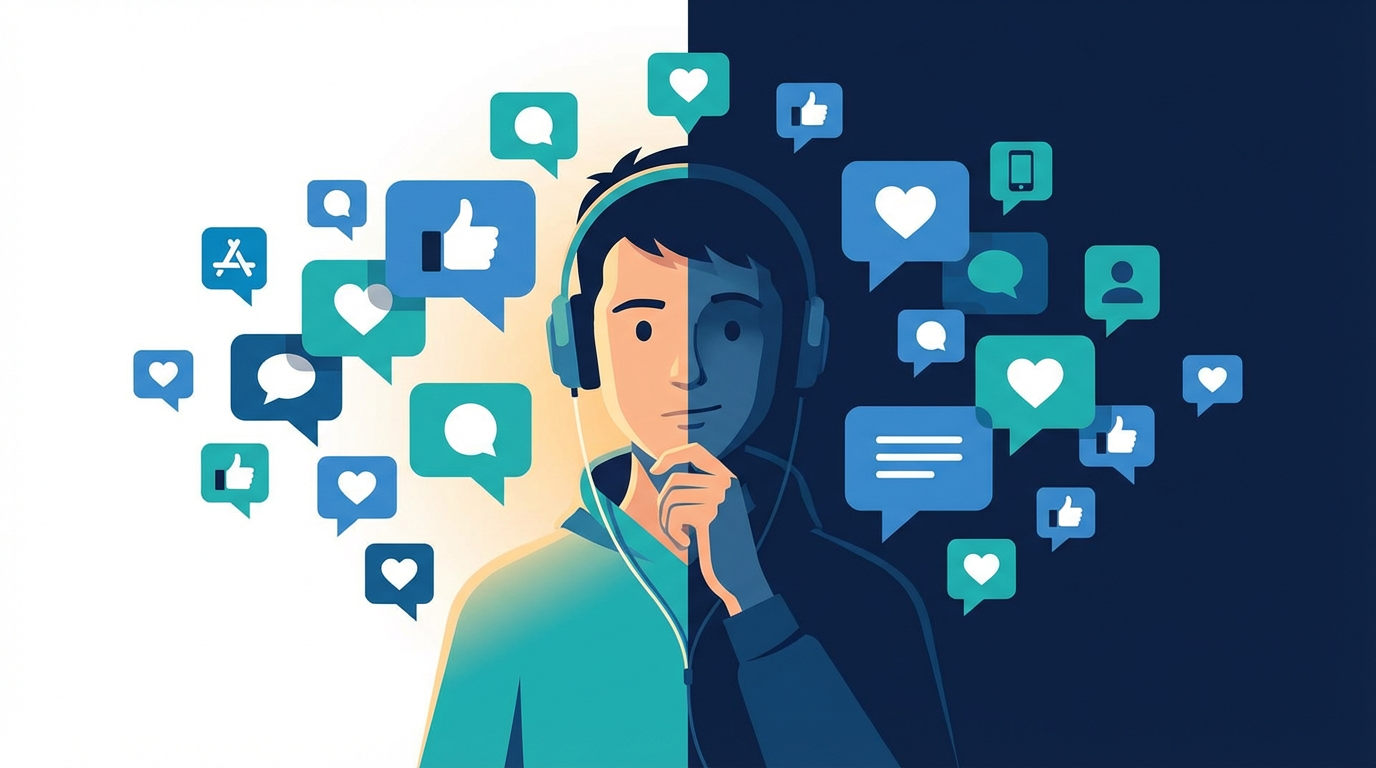
Social media platforms are built to showcase highlight reels. The photos are filtered, the captions are crafted, and the lives on display are curated to look effortless and exciting. For a developing adolescent who is still forming their sense of self, this creates a relentless standard of comparison.
Research from the American Psychological Association has found that teens who spend more time on image-focused platforms report higher levels of body dissatisfaction and lower self-esteem. The effect is particularly pronounced among girls, though boys are not immune. When your child scrolls through hundreds of idealized images every day, the cumulative message is clear: everyone else's life is better than yours.
Fear of Missing Out (FOMO)
Social media makes it impossible to not know what everyone else is doing. When a teen sees friends at a gathering they weren't invited to, or watches classmates enjoying experiences they can't access, it triggers a powerful sense of exclusion. This fear of missing out -- FOMO -- is one of the most reliable predictors of social media-related anxiety.
FOMO doesn't just cause momentary discomfort. Studies published in the Journal of Adolescent Health have linked chronic FOMO to increased anxiety, depressive symptoms, and compulsive social media checking. The need to stay connected becomes self-reinforcing: the more anxious a teen feels about missing something, the more they check their feeds, which exposes them to more triggers.
Sleep Disruption
The connection between social media use and poor sleep is well established. Teens who use social media within an hour of bedtime take longer to fall asleep, sleep fewer hours, and report lower sleep quality. The causes are both physiological (blue light suppressing melatonin production) and psychological (stimulating or stressful content keeping the brain alert).
Sleep deprivation in adolescents is not a minor inconvenience. It impairs concentration, weakens emotional regulation, increases irritability, and significantly raises the risk of depression. When poor sleep becomes chronic, it creates a vicious cycle: exhaustion worsens mood, which drives more screen time as a coping mechanism, which further disrupts sleep.
Anxiety and Depression
Multiple large-scale studies have found a correlation between heavy social media use and higher rates of anxiety and depression in adolescents. A landmark study published in JAMA Psychiatry found that teens who spend more than three hours per day on social media face double the risk of depression and anxiety symptoms compared to those who use it for less than 30 minutes.
It is important to note that correlation is not causation. Some researchers argue that teens who are already struggling with mental health may turn to social media more heavily, rather than social media causing the problems. The relationship is likely bidirectional -- but either way, the association is strong enough to warrant attention.
The Positive Side of Social Media
An honest conversation about social media and mental health must acknowledge that these platforms also offer genuine benefits for young people:
- Connection and belonging. For teens in rural areas, those with niche interests, or LGBTQ+ youth who may lack local support, social media can provide vital community and acceptance.
- Creative expression. Platforms like TikTok and YouTube give young people tools to create, share, and receive feedback on art, music, writing, and other creative pursuits.
- Access to information and support. Many teens use social media to learn about mental health, find peer support groups, and access resources they might not encounter otherwise.
- Civic engagement. Social media connects young people to social causes and gives them a platform to advocate for issues they care about.
The goal is not to demonize social media but to help your child develop a relationship with it that amplifies the positives and minimizes the negatives.
Practical Strategies for Healthier Social Media Use
Have Honest, Ongoing Conversations
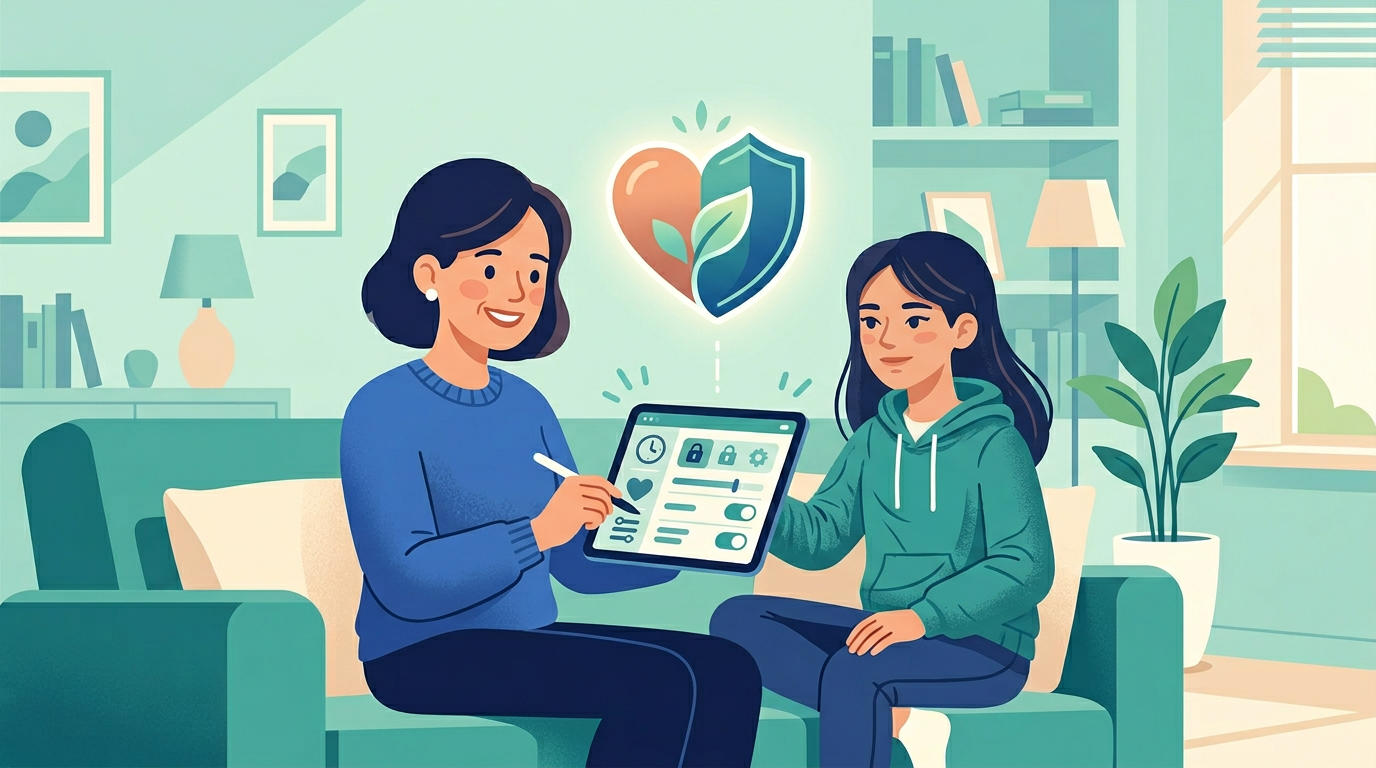
Talk to your teen about what they see and experience on social media. Ask open-ended questions:
- "How do you feel after spending time on Instagram?"
- "Is there anything you've seen online that bothered you?"
- "Do you ever feel like you need to check your phone even when you don't want to?"
These conversations work best when they are regular and nonjudgmental. If your teen feels they are being interrogated or that the conversation is a prelude to punishment, they will shut down.
Set Boundaries Around Timing
Two of the most impactful boundaries you can set involve when social media is used (for a deeper playbook, see our guide to screen time rules that actually work):
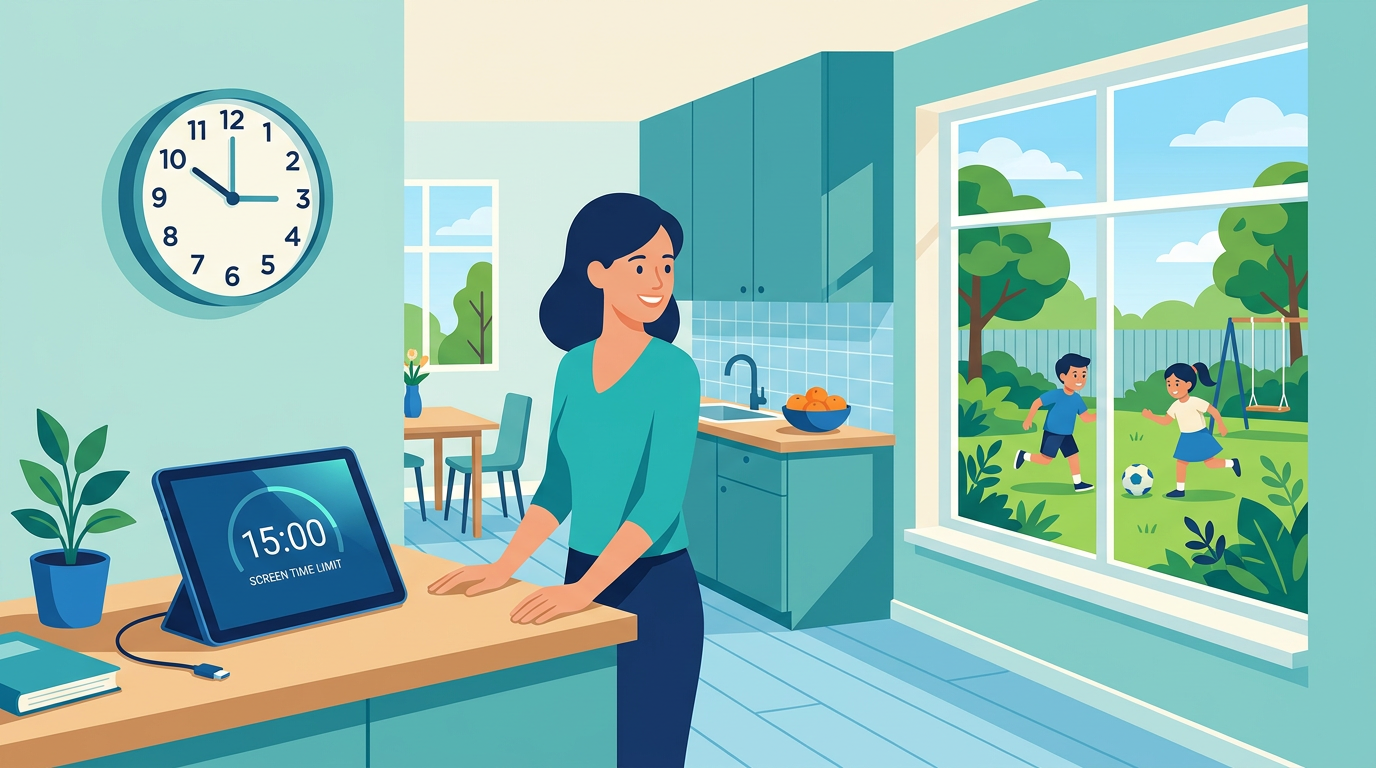
- No devices in the bedroom at night. Establish a family charging station outside bedrooms and set a consistent "devices off" time at least one hour before bed.
- No social media first thing in the morning. Starting the day with a feed scroll sets a reactive, comparison-driven tone. Encourage your teen to eat breakfast, get ready, and start their day before checking platforms.
Encourage Mindful Use
Help your teen become aware of how social media makes them feel. Suggest a simple experiment: after each scrolling session, they rate their mood on a scale of one to ten. Over time, patterns emerge. They may notice that certain accounts, certain times of day, or certain durations consistently leave them feeling worse.
This awareness is the foundation of healthier habits. When teens understand the impact for themselves -- rather than being told by a parent -- they are far more likely to make changes.
Curate the Feed
Not all social media content is created equal. Encourage your teen to:
- Unfollow or mute accounts that consistently make them feel bad about themselves.
- Follow accounts that are educational, funny, inspiring, or aligned with their genuine interests.
- Use platform tools (like Instagram's "Not Interested" feature) to shape what the algorithm shows them.
A curated feed is a dramatically different experience from a default one.
Model the Behavior You Want to See
Teens are perceptive. If you tell your child to put down their phone while you scroll through your own feed at dinner, the message is inconsistent. Demonstrate healthy digital habits yourself -- put your phone away during family time, talk about your own relationship with social media honestly, and show that a fulfilling life happens offline.
Know When to Seek Help
If your teen is showing persistent signs of anxiety, depression, social withdrawal, or disordered eating that you believe may be connected to social media use, consult a mental health professional. A therapist experienced in adolescent issues can help your child develop coping strategies and, if necessary, create a more structured plan for managing their digital life. Because warning signs often surface first in what teens type, real-time alerts for self-harm and crisis language can help you recognize when it's time to step in.
Conclusion
Social media is not going away, and the answer for most families is not to eliminate it entirely. Instead, the most effective approach is to stay informed, stay engaged, and help your teen build the self-awareness and habits they need to use these powerful platforms without being consumed by them.
The research tells us that the risks are real -- but so are the benefits. Your role as a parent is to help your child find the balance, and that starts with understanding, conversation, and a willingness to navigate this landscape together.