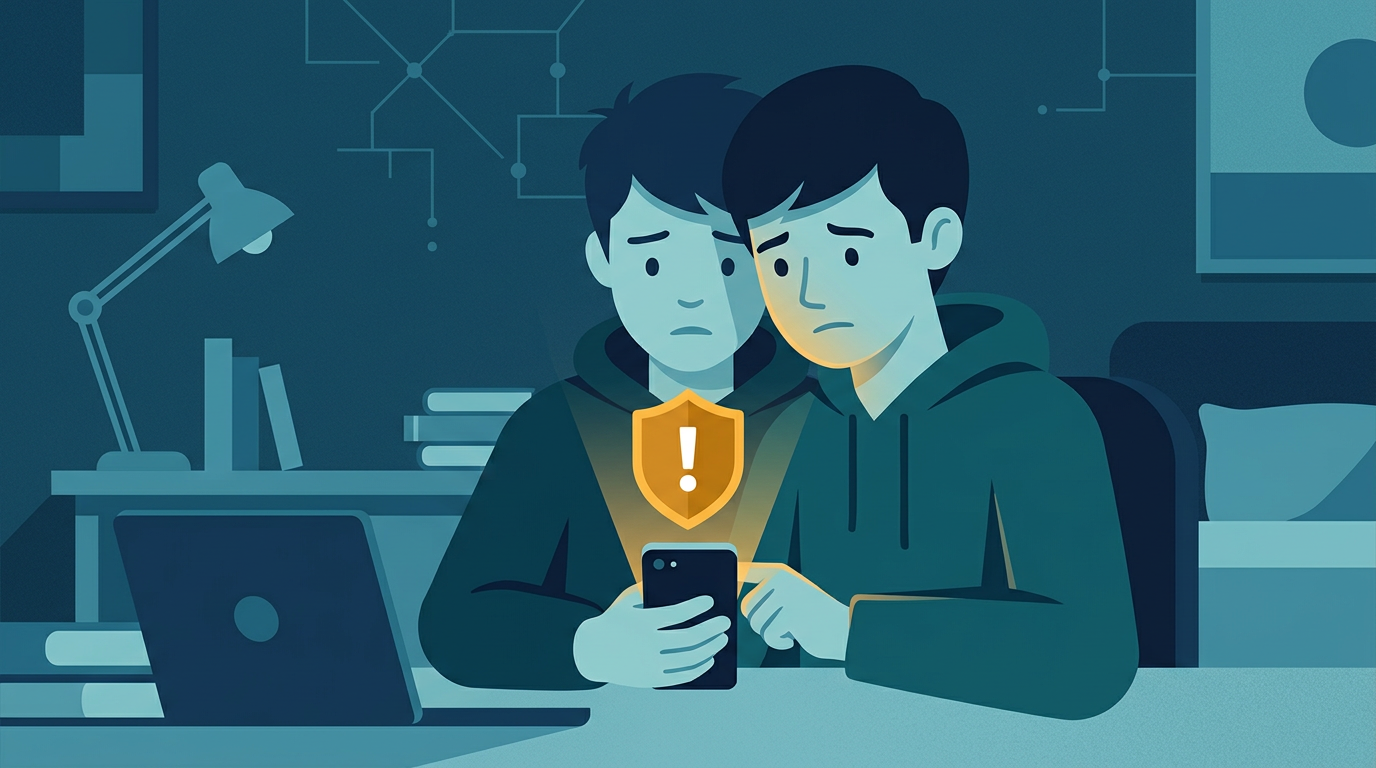
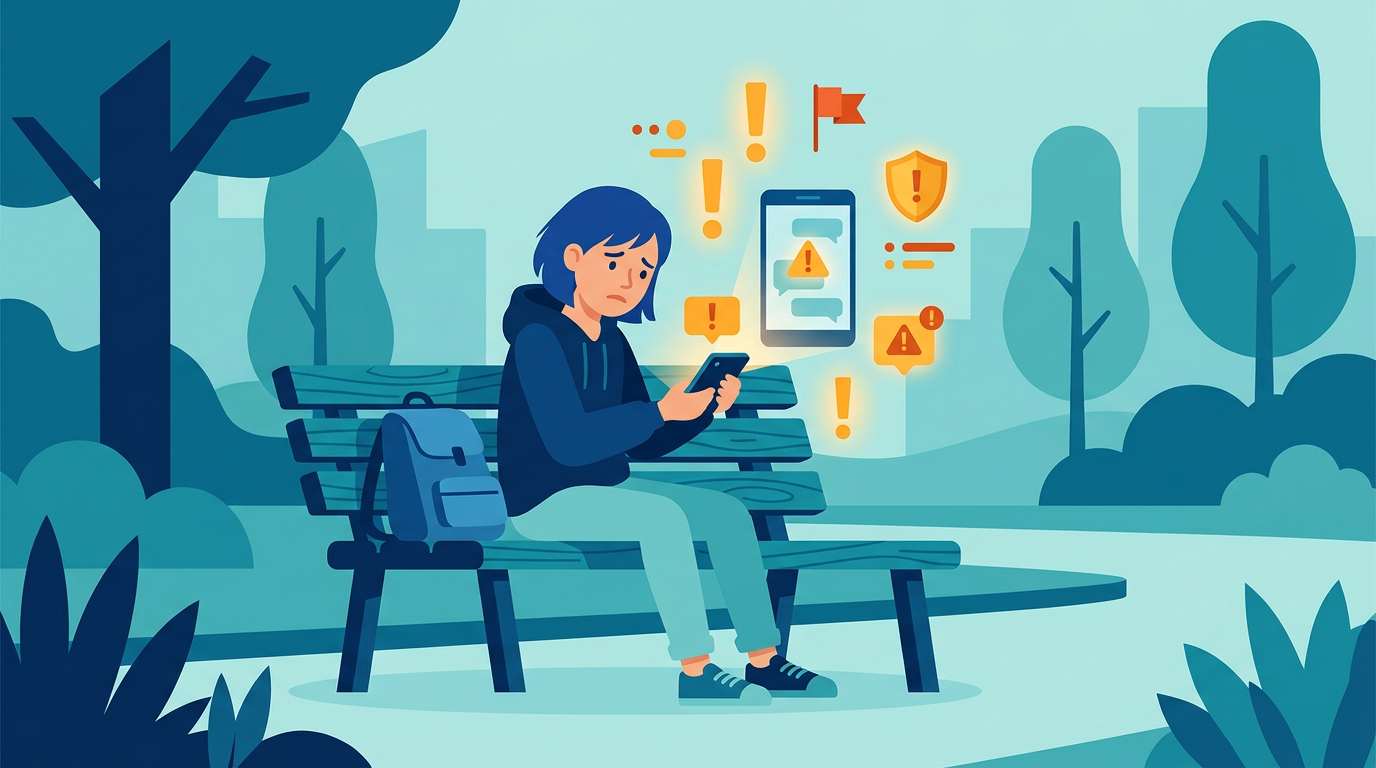
Bullying didn't end when the school bell rang -- not anymore. For today's children and teens, the same devices that connect them to friends, schoolwork, and entertainment can also become tools of cruelty. Cyberbullying reaches into bedrooms, follows kids on bus rides home, and persists through weekends and holidays. It is relentless in a way that traditional bullying never was.
Understanding what cyberbullying actually looks like -- and how to spot it when your child won't or can't tell you -- is one of the most important things a parent can do.
What Cyberbullying Really Looks Like
Cyberbullying is the repeated, deliberate use of digital technology to harass, threaten, embarrass, or target another person. It can happen on social media, through text messages, in online games, on messaging apps, or in school-related platforms. While the methods vary, the intent is consistent: to cause harm.
Common Types of Cyberbullying
Not all cyberbullying is obvious. Here are the forms parents should be aware of:
- Direct harassment: Sending threatening, cruel, or degrading messages to the target. This can happen through texts, DMs, comments, or voice chat in games.
- Public humiliation: Posting embarrassing photos, videos, or screenshots of private conversations to a wider audience without consent.
- Exclusion: Deliberately leaving someone out of group chats, online friend groups, or collaborative activities as a form of social punishment. This is one of the hardest forms to detect because it leaves no visible evidence.
- Impersonation: Creating fake accounts or hacking into a child's real account to post harmful content, send messages, or damage their reputation.
- Doxing: Sharing someone's private information -- home address, phone number, school name -- publicly with the intent to intimidate or invite harassment from others.
- Outing: Sharing someone's secrets, private photos, or sensitive personal information (such as sexual orientation or medical conditions) without permission.
- Cyberstalking: Persistent, unwanted contact and monitoring that creates fear. This may include tracking someone's online activity, repeatedly messaging them after being blocked, or showing up in every digital space they use.
Many of these behaviors overlap, and a child may experience several types simultaneously. What makes cyberbullying particularly damaging is its permanence -- screenshots last forever, posts can be shared endlessly, and the audience is potentially unlimited.
Warning Signs That Something Is Wrong
Children who are being cyberbullied rarely come forward on their own. They may feel ashamed, fear that their devices will be taken away, or believe that telling an adult will make things worse. That is why parents need to watch for changes in behavior and mood — and why tools that use AI-enhanced detection to flag hostile language and send real-time alerts can surface trouble even when a child stays silent.
Behavioral Changes
- Suddenly avoiding devices. A child who once loved being online but now avoids their phone, tablet, or computer may be trying to escape a painful situation.
- Becoming secretive about online activity. Quickly switching screens when you walk by, deleting messages or apps, or becoming defensive when asked about what they're doing online.
- Withdrawing from friends or social activities. If your child stops wanting to hang out with friends, skips activities they used to enjoy, or seems increasingly isolated, something may be wrong.
- Changes in academic performance. A sudden drop in grades, loss of concentration, or reluctance to go to school can signal that bullying -- online or off -- is taking a toll.
- Sleep disruption. Difficulty falling asleep, nightmares, or staying up unusually late may indicate anxiety related to online interactions.
Emotional Changes
- Unexplained mood swings. Noticeable sadness, irritability, or anger -- especially after using a device -- can be a red flag.
- Low self-esteem. Negative self-talk, comments about feeling worthless or unlikable, or a sudden preoccupation with appearance or social status.
- Anxiety or fearfulness. Reluctance to leave the house, nervousness about social situations, or a generalized sense of dread.
- Loss of appetite or physical complaints. Headaches, stomachaches, and loss of appetite can all be physical manifestations of emotional distress.
No single sign is definitive proof of cyberbullying. But a cluster of these changes -- especially if they appear suddenly -- is worth investigating with care and empathy.
The Lasting Impact on Mental Health
The consequences of cyberbullying are not temporary. Research consistently shows that children who experience sustained cyberbullying are at significantly higher risk for:
- Depression and anxiety disorders. The constant exposure to cruelty and the feeling of being unable to escape it can trigger or worsen clinical depression and anxiety.
- Social withdrawal. Victims may pull away from all social interaction -- online and offline -- leading to deepening isolation at a critical stage of social development.
- Academic decline. The emotional toll of cyberbullying makes it difficult to concentrate, retain information, or find motivation for schoolwork.
- Self-harm and suicidal ideation. In severe cases, cyberbullying has been linked to self-harm and suicidal thoughts. If your child expresses hopelessness or mentions not wanting to be alive, seek professional help immediately.
These effects can persist long after the bullying stops. Children who are cyberbullied may carry heightened sensitivity to rejection, trust issues, and anxiety into adolescence and adulthood. Early intervention is critical.
What to Do If You Suspect Cyberbullying
Start With a Conversation
Approach your child with empathy, not alarm. Avoid leading with questions that might feel accusatory ("What did you do online?") and instead open the door gently:
- "I've noticed you seem upset after being on your phone. Is everything okay?"
- "You can always tell me if something is happening online. I'm here to help, not to punish."
- "Has anyone at school or online been giving you a hard time?"
Make it clear that they will not lose their devices for coming to you. The fear of losing access to their social world is one of the biggest reasons kids stay silent.
Document Everything
If your child reveals that they are being bullied, or if you discover evidence yourself, save it. Take screenshots of messages, posts, and profiles. Record dates and times. This documentation is important for reporting to schools, platforms, and -- if necessary -- law enforcement.
Report and Block
Use the reporting tools built into whatever platform the bullying is occurring on. Every major social media app, messaging service, and gaming platform has mechanisms for reporting harassment. Block the accounts responsible to stop further contact.
Involve the School
If the bullying involves classmates, notify the school. Many schools have anti-bullying policies that extend to online behavior, and counselors can provide additional support for your child.
Seek Professional Support
If your child is showing signs of depression, anxiety, or self-harm, don't wait. A licensed therapist who specializes in adolescent mental health can help your child process their experience and develop coping strategies. For step-by-step guidance on responding once you know bullying is happening, see our practical, supportive guide for parents of cyberbullied children.
Building Resilience for the Long Term
Prevention and resilience go hand in hand. You can help your child build a stronger foundation by:
- Talking about cyberbullying before it happens. Normalize the topic so your child knows what it looks like and feels comfortable reporting it.
- Teaching empathy online. Remind your child that there is a real person behind every screen, and that their own words carry weight.
- Encouraging a healthy relationship with technology. Children who have diverse interests and strong offline relationships tend to be more resilient when online conflicts arise.
- Modeling respectful digital behavior. Children learn by watching. How you interact online sets a powerful example.
Conclusion
Cyberbullying is one of the most pervasive challenges facing children in the digital age. It can be difficult to detect, easy to underestimate, and devastating in its effects. But parents who know what to look for -- and who create a home environment where children feel safe speaking up -- are in the strongest position to intervene early and protect their children's well-being.
Stay attentive, stay compassionate, and never assume that what happens online stays online. For your child, it is as real as anything that happens face to face.