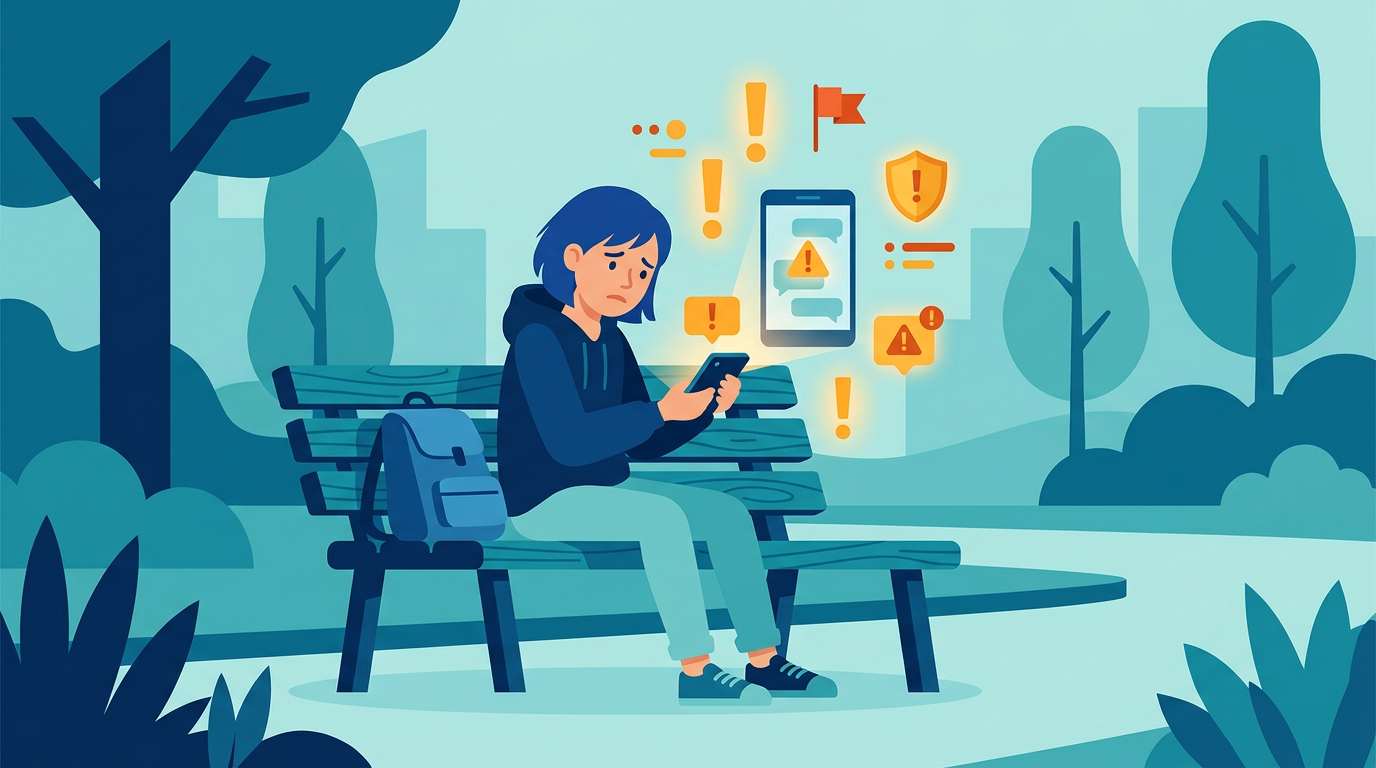

Few things hit a parent harder than learning their child is being targeted online. Cyberbullying can feel invisible -- there are no bruises, no torn clothing, no obvious signs at the school gate -- yet its impact on a young person's mental health, self-esteem, and sense of safety can be profound and lasting.
If you discover or suspect that your child is being cyberbullied, your response matters enormously. A calm, strategic, and supportive approach can help your child feel safe, regain confidence, and move forward. Here is how to handle it, step by step.
Step 1: Recognize the Signs
Children who are being cyberbullied often do not tell their parents directly. They may fear losing access to their devices, worry about making the situation worse, or feel ashamed. Watch for these warning signs:
- Emotional changes: Sudden sadness, irritability, anxiety, or tearfulness, especially after using a phone or computer.
- Withdrawal: Pulling away from friends, family activities, or hobbies they previously enjoyed.
- Avoidance of devices: Reluctance to use their phone or go online, or alternatively, obsessive checking of messages and notifications.
- Sleep disruption: Difficulty falling asleep, nightmares, or wanting to sleep with a device nearby to monitor incoming messages.
- Academic decline: Falling grades, loss of motivation, or reluctance to attend school.
- Physical complaints: Headaches, stomachaches, or other stress-related symptoms with no clear medical cause.
No single sign is definitive, but a cluster of these behaviors -- particularly if they appear suddenly -- warrants a gentle, open conversation. For a deeper look at what to watch for, see the warning signs of cyberbullying parents shouldn't ignore.
Step 2: Talk to Your Child
When you approach your child, the tone you set will determine whether they open up or shut down.
- Choose a private, relaxed moment. Avoid raising the topic in front of siblings or during a rushed morning routine.
- Lead with empathy, not interrogation. Try: "I've noticed you seem upset lately, and I want you to know I'm here for you. Is anything going on online that's bothering you?"
- Listen more than you speak. Resist the urge to immediately problem-solve or express anger at the bully. Your child needs to feel heard first.
- Validate their feelings. Statements like "That sounds really hurtful" or "You didn't deserve that" go a long way.
- Reassure them. Make it clear that coming to you was the right thing to do and that you will not take away their devices as punishment for someone else's behavior.
Step 3: Document Everything
Before taking any action, collect evidence. This documentation may be needed when reporting to schools, platforms, or in serious cases, law enforcement.
- Take screenshots of every message, post, comment, or image involved. Make sure timestamps, usernames, and platform details are visible.
- Save URLs of any public posts or profiles involved.
- Keep a written log noting dates, times, what happened, and who was involved.
- Do not delete anything from your child's account until you have thorough documentation. Once content is deleted, it can be extremely difficult to recover.
Store this evidence in a dedicated folder -- digital or physical -- that you can access easily if needed later.
Step 4: Report to the Platform
Every major social media platform has reporting mechanisms for bullying and harassment. Use them.
How to Report on Major Platforms
- Instagram: Tap the three dots on a post or message, select "Report," and follow the prompts. You can also report an account directly from its profile.
- TikTok: Long-press a video or tap the three dots, then select "Report." For direct messages, press and hold the message to report it.
- Snapchat: Press and hold on a message or story, tap the flag icon, and follow the reporting steps.
- YouTube: Click the three dots below a video or next to a comment and select "Report."
- Discord: Right-click a message and select "Report." For serious threats, submit a Trust & Safety report through Discord's website.
After reporting, block the person or people involved. Blocking is not a sign of weakness -- it is a practical step to stop the immediate harm.
Step 5: Involve the School
If the cyberbullying involves classmates or impacts your child's school experience, contact the school promptly.
- Reach out to the school counselor or administrator with your documentation. Many schools have anti-bullying policies that extend to online behavior, even when it happens outside school hours.
- Request a meeting to discuss what steps the school can take, which may include mediation, disciplinary action for the bully, or additional support for your child.
- Follow up in writing. After any verbal conversation, send an email summarizing what was discussed and agreed upon. This creates a paper trail if further action is needed.
- Know your rights. In many states and districts, schools are legally obligated to address cyberbullying that affects a student's ability to learn or feel safe.
Step 6: Provide Emotional Support
Addressing the logistics -- reporting, blocking, involving the school -- is essential, but your child's emotional recovery is just as important.
- Check in regularly. Do not assume the problem is solved after one conversation. Ask how they are feeling over the coming days and weeks.
- Reinforce their self-worth. Cyberbullying can deeply damage a child's sense of identity. Remind them of their strengths, their value, and the people who care about them.
- Encourage healthy outlets. Physical activity, creative projects, and time with supportive friends can all help a child process difficult emotions.
- Model resilience. Share (age-appropriately) times when you dealt with unkindness and how you worked through it. This normalizes the experience without minimizing it.
Step 7: Know When to Seek Professional Help
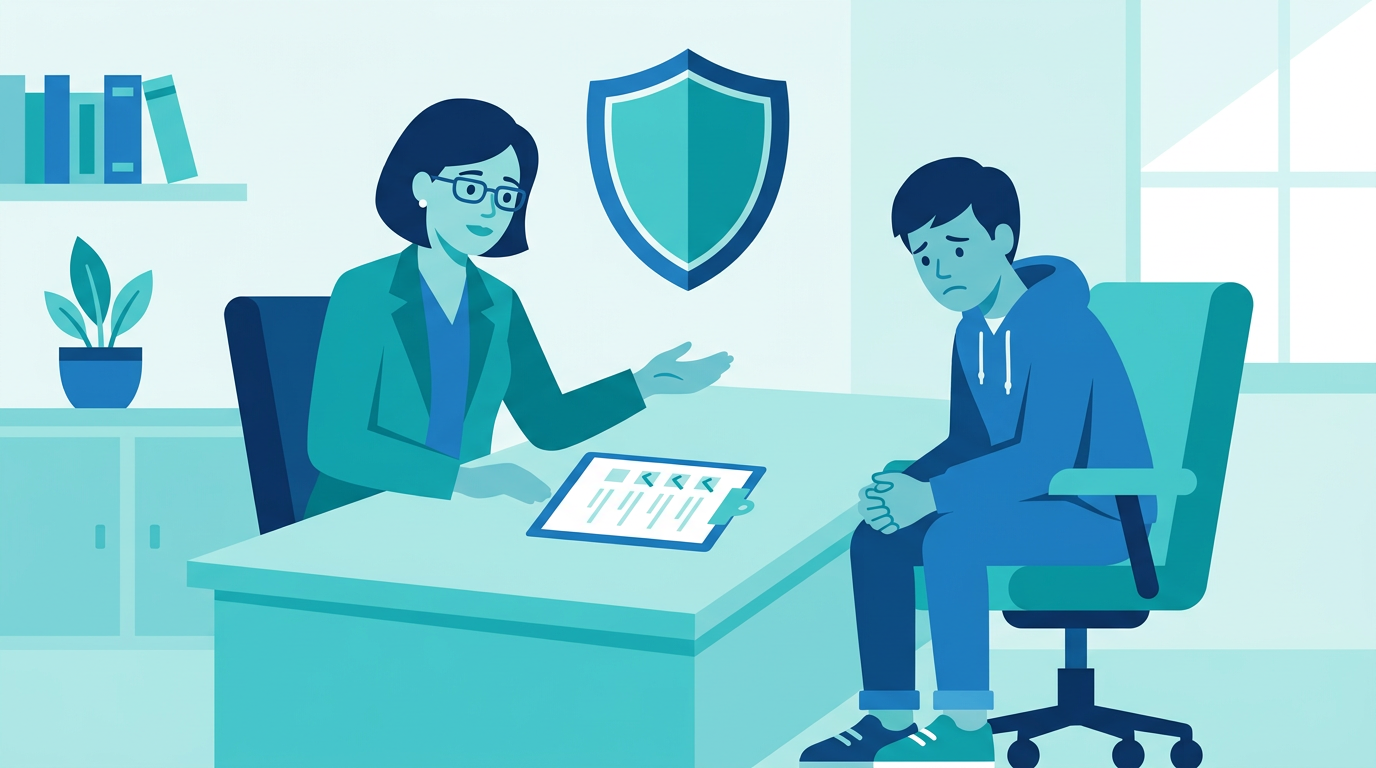
Most children recover from cyberbullying with strong family support, but some situations require professional intervention. Seek help from a therapist or counselor if your child:
- Expresses feelings of hopelessness or worthlessness that persist for more than a few weeks.
- Talks about self-harm or suicide, even in passing.
- Shows signs of severe anxiety, depression, or social withdrawal that do not improve.
- Experiences a major change in eating or sleeping habits.
- Refuses to attend school or participate in activities they once enjoyed.
If your child is in immediate danger or expresses suicidal thoughts, contact the 988 Suicide and Crisis Lifeline (call or text 988) or go to your nearest emergency room.
There is no shame in seeking help. A trained professional can provide your child with coping strategies and a safe space to process what they have been through.
Moving Forward: Building Long-Term Resilience
Once the immediate crisis is addressed, use the experience as a foundation for ongoing conversations about online safety.
- Revisit privacy settings together. Make sure your child's accounts are configured to limit contact from strangers and control who can see their content.
- Establish a reporting agreement. Let your child know they can always come to you about online problems without fear of punishment.
- Talk about digital citizenship. Discuss how your child can be a positive presence online and how to support friends who might be going through something similar.
- Consider monitoring tools. Privacy-first monitoring can help parents stay aware of concerning interactions without invading a child's privacy, using real-time alerts to provide an early warning system that works alongside trust and open communication.
Cyberbullying is painful, but it does not have to define your child's experience online. With the right combination of swift action, emotional support, and ongoing dialogue, you can help your child recover, grow stronger, and navigate the digital world with greater confidence.