Gaming Is Great -- But Not Everyone Online Has Good Intentions
Multiplayer games are some of the best experiences the internet has to offer. Whether you're grinding ranked matches, building worlds with friends, or raiding with your guild, online gaming connects you with people from everywhere. That's what makes it fun.
But here's the thing: not everyone in those lobbies, voice chats, and DMs is who they say they are. And the same features that make gaming social -- voice chat, friend requests, in-game messaging -- can also be used by people who want to take advantage of you.
This isn't about scaring you away from gaming. It's about helping you game smarter so you can keep doing what you love without putting yourself at risk.
Protect Your Personal Information
This is rule number one, and it applies everywhere online, but especially in gaming.
What to Keep Private
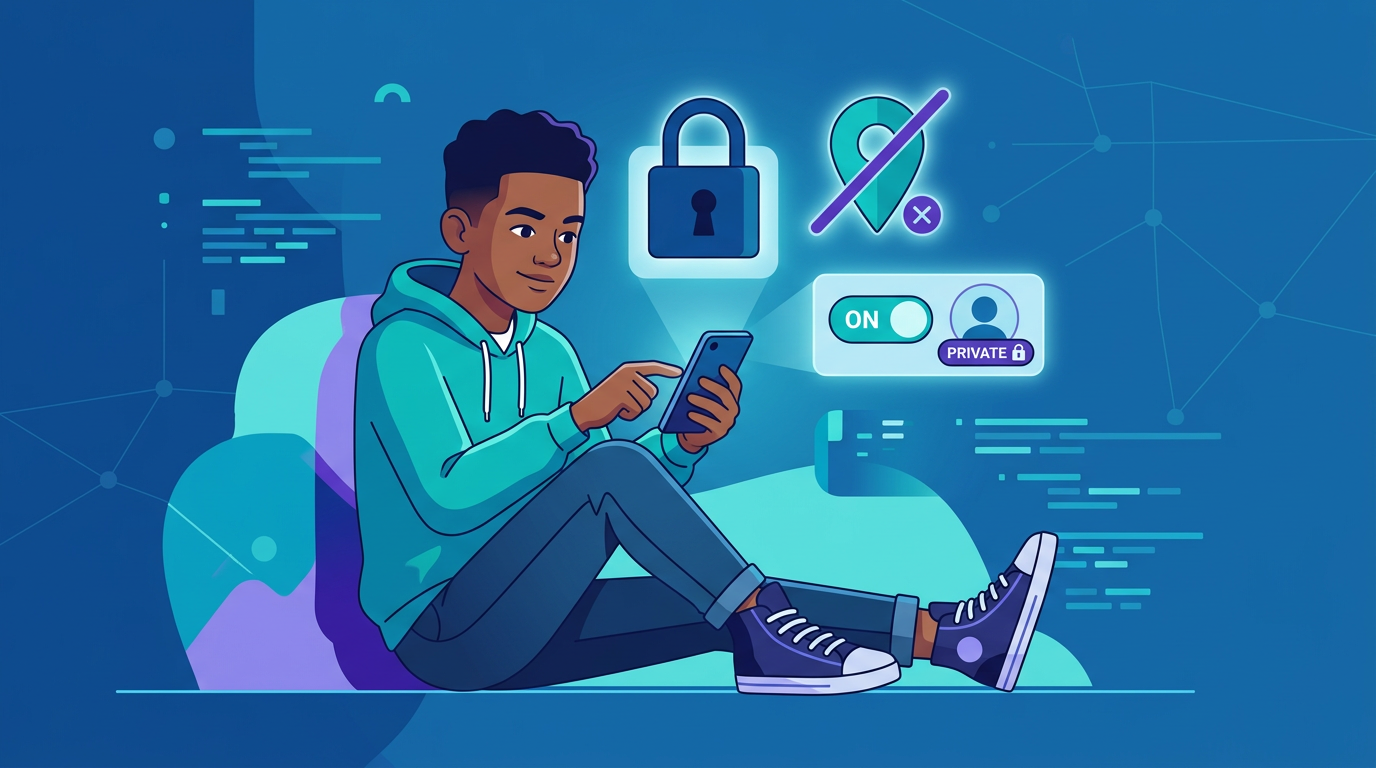
- Your real name (use a gamertag that doesn't reveal your identity)
- Your age
- Where you live, including your city, school name, and neighborhood
- Your phone number or social media handles
- Photos of yourself
It's easy to let details slip in voice chat when you're relaxed and having fun with people who feel like friends. But someone you've only ever met in a game is still a stranger, no matter how many hours you've played together.
Voice Chat Awareness
Voice chat is where a lot of personal info accidentally gets shared. Someone asks, "Where are you from?" and suddenly you've told a lobby of strangers your city and state. Keep it vague. "East Coast" or "the Midwest" is enough. And if someone is pushing for more details, that's a red flag.
Also be aware of background noise. If a family member calls your name, or your address comes up in a conversation nearby, people in voice chat can hear it.
Dealing with Toxic Players
If you've played any online game for more than five minutes, you've probably encountered toxic behavior -- trash talk, slurs, harassment, or griefing. It's unfortunately common, but that doesn't mean you have to just accept it.
Your Toolkit
- Mute and block. Every platform has these features. Use them freely and without guilt.
- Report. Games like Fortnite, Valorant, Roblox, Minecraft servers, and others all have reporting systems. Reporting toxic players helps make the game better for everyone.
- Don't engage. Toxic players want a reaction. The best response is no response.
- Find better communities. Look for Discord servers, guilds, or groups that have clear rules against toxic behavior and active moderators. You deserve to play with people who are actually fun to be around.
Scams and Account Theft
Free skins, free V-Bucks, free Robux -- if it sounds too good to be true, it is. Scammers target gamers constantly, and they're good at what they do.
Common Scams to Watch For
- Phishing links disguised as free in-game items or giveaways, sent through DMs, Discord, or social media
- "Account trading" schemes where someone asks you to share your login credentials
- Fake websites that mimic official game pages to steal your username and password
- "Duplication glitches" where someone asks you to drop your items so they can "duplicate" them (they just take your stuff)
How to Protect Yourself
- Never click on links from people you don't know
- Never share your password with anyone, including friends
- Enable two-factor authentication (2FA) on every gaming account
- Use unique passwords for each platform -- a password manager makes this easy
- Only download games and mods from official sources
If you think your account has been compromised, change your password immediately and contact the game's support team.
Recognizing Grooming Behavior
This is a topic that's uncomfortable but important. Some adults use online games to build relationships with young people for the purpose of exploitation. This is called grooming, and it can be subtle.
Warning Signs
- An older player who pays you a lot of special attention and wants to be your "mentor"
- Someone who gives you gifts (in-game items, gift cards, money) and then asks for things in return
- A person who tries to move your conversation off the gaming platform to a private app or text
- Someone who asks you to keep your friendship a secret from your parents or friends
- Conversations that gradually become more personal or sexual
What to Do
If someone's behavior is making you uncomfortable, trust your gut. You don't need to be polite about it.
- Stop communicating with them immediately
- Don't delete the messages -- screenshot them first
- Tell a trusted adult what's been happening
- Report the person to the game platform and, if necessary, to the National Center for Missing & Exploited Children (NCMEC) at CyberTipline.org or 1-800-843-5678
You will never get in trouble for reporting something that felt wrong. Even if it turns out to be nothing, it's always better to be safe.
Keeping Gaming Healthy
Beyond safety from other people, it's also worth thinking about your relationship with gaming itself.
Signs It Might Be Time to Take a Step Back
- You're regularly losing sleep to play
- Gaming is replacing time with friends, schoolwork, or activities you used to enjoy
- You feel irritable or anxious when you can't play
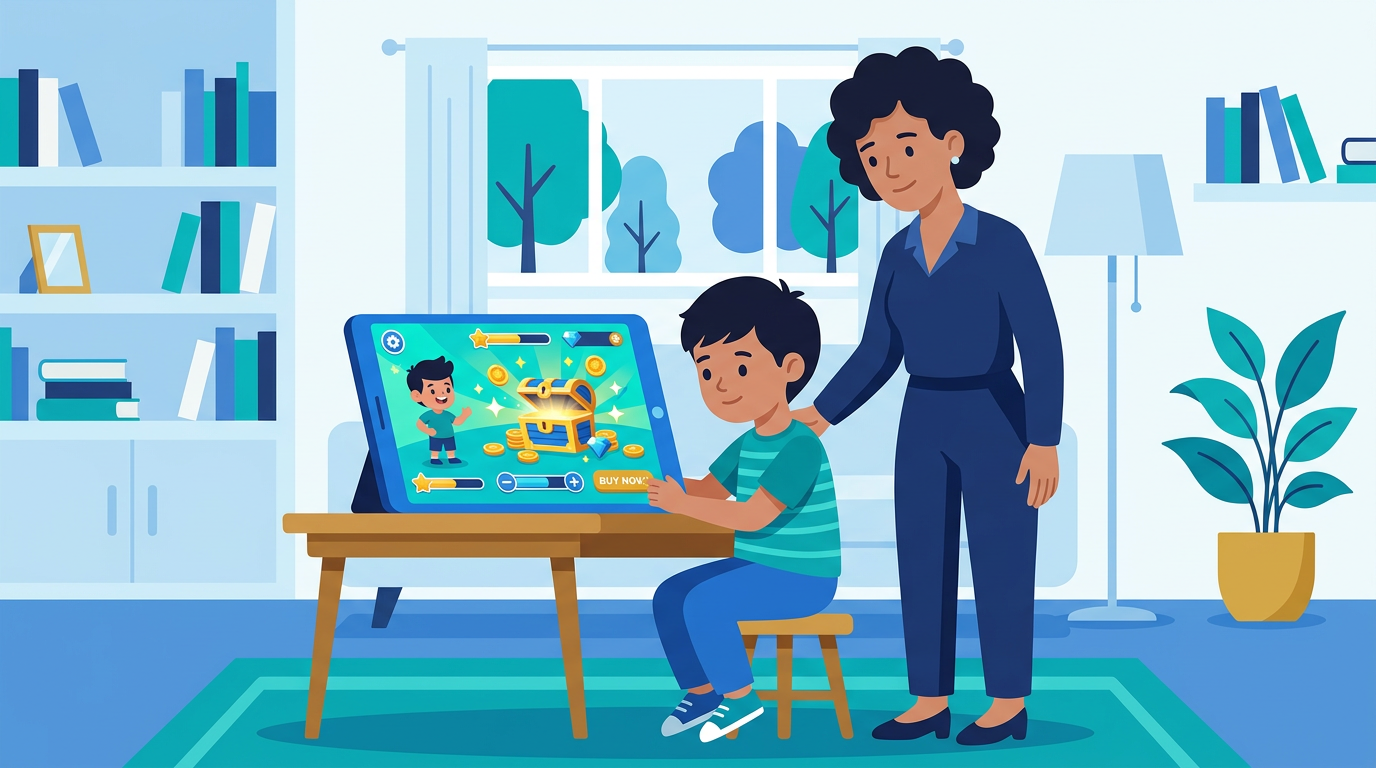
- You're spending money you don't have on in-game purchases
None of these make you a bad person. Games are literally designed to keep you playing -- that's how they make money. Being aware of that design is the first step to staying in control.
Finding Balance
- Set a time limit before you start playing and stick to it
- Take breaks -- get up, stretch, drink water
- Play with real-life friends when you can; it keeps gaming social in a healthy way
- Mix up your hobbies so gaming is one thing you enjoy, not the only thing
The Bottom Line
Online gaming is one of the best parts of growing up right now. You get to compete, create, collaborate, and connect with people across the world. But staying safe while you do it means keeping your personal info locked down, knowing how to deal with toxic and manipulative people, protecting your accounts, and being honest with yourself about your gaming habits.
Play hard, play smart, and don't let anyone ruin the experience for you.